MFSN Kenya Series
Food Heroes Expansion
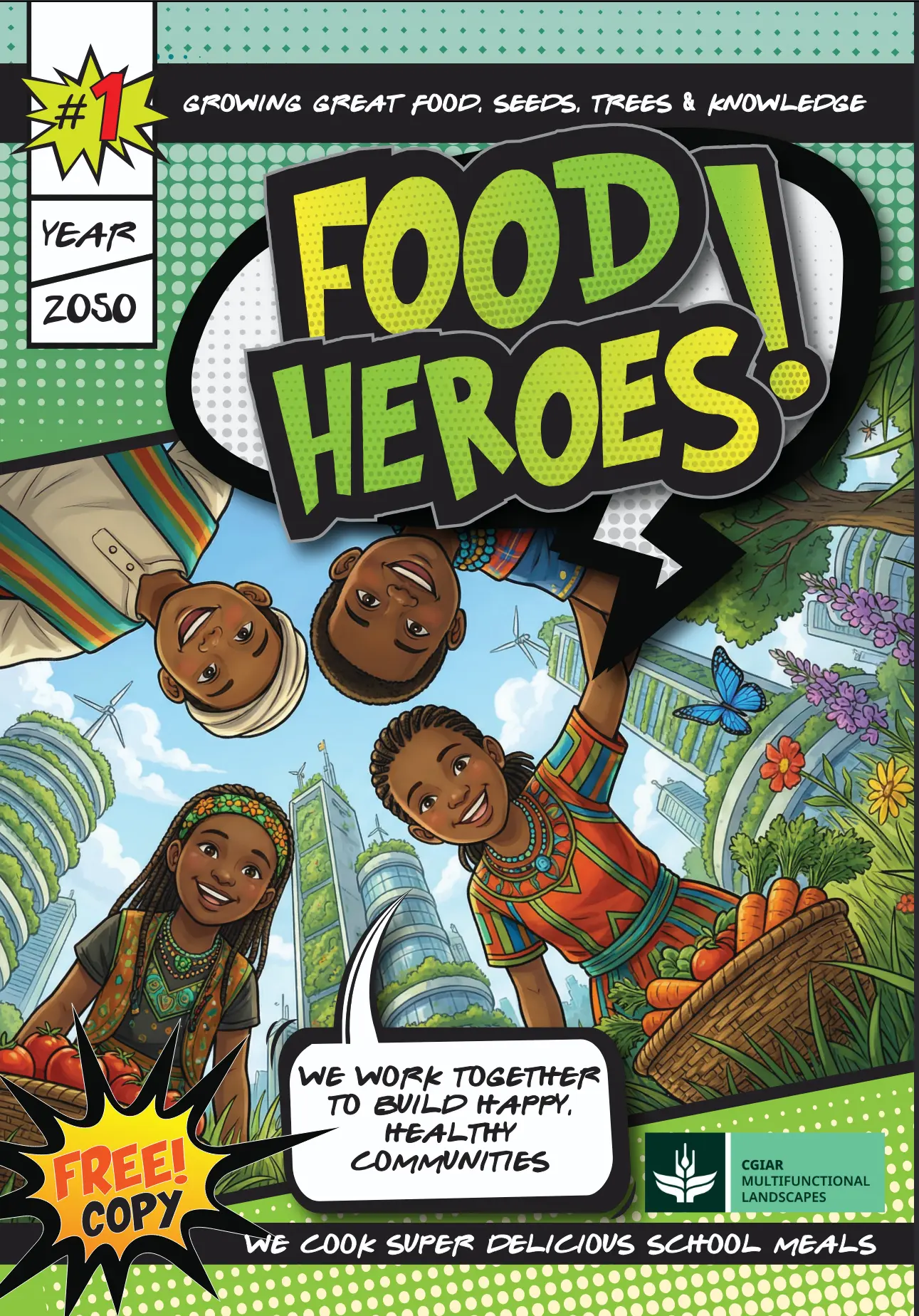
Embark on an epic food system adventure and learn to practice your Agroecology-, Multifunctional Landscaping- and Sustain Abilities
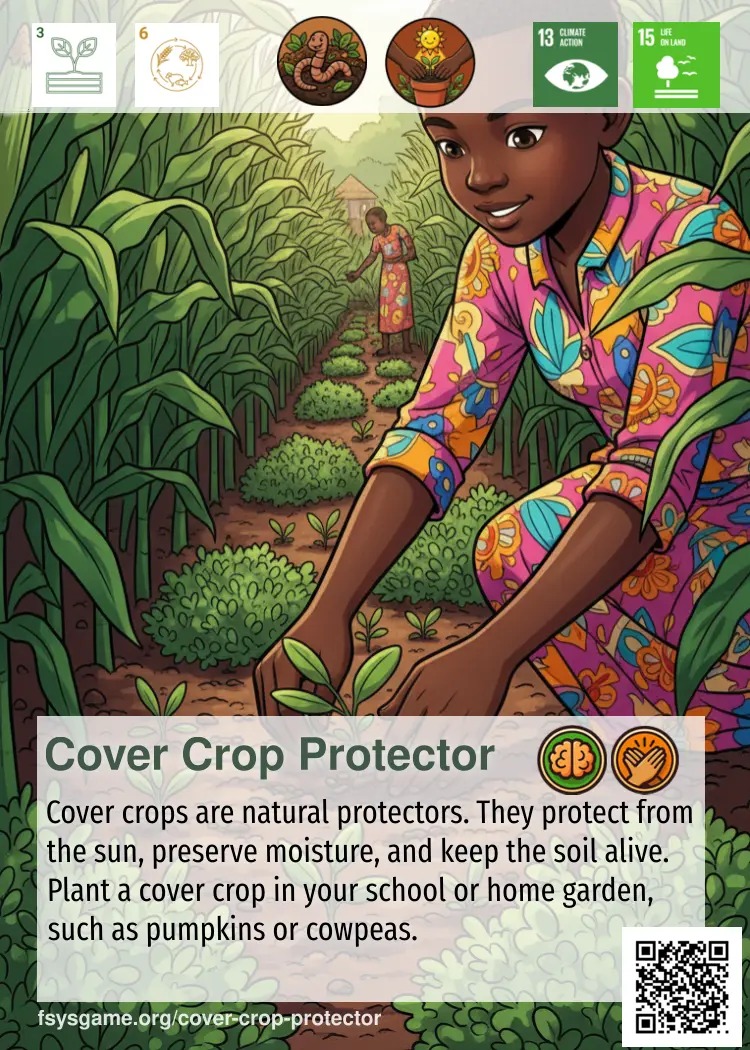
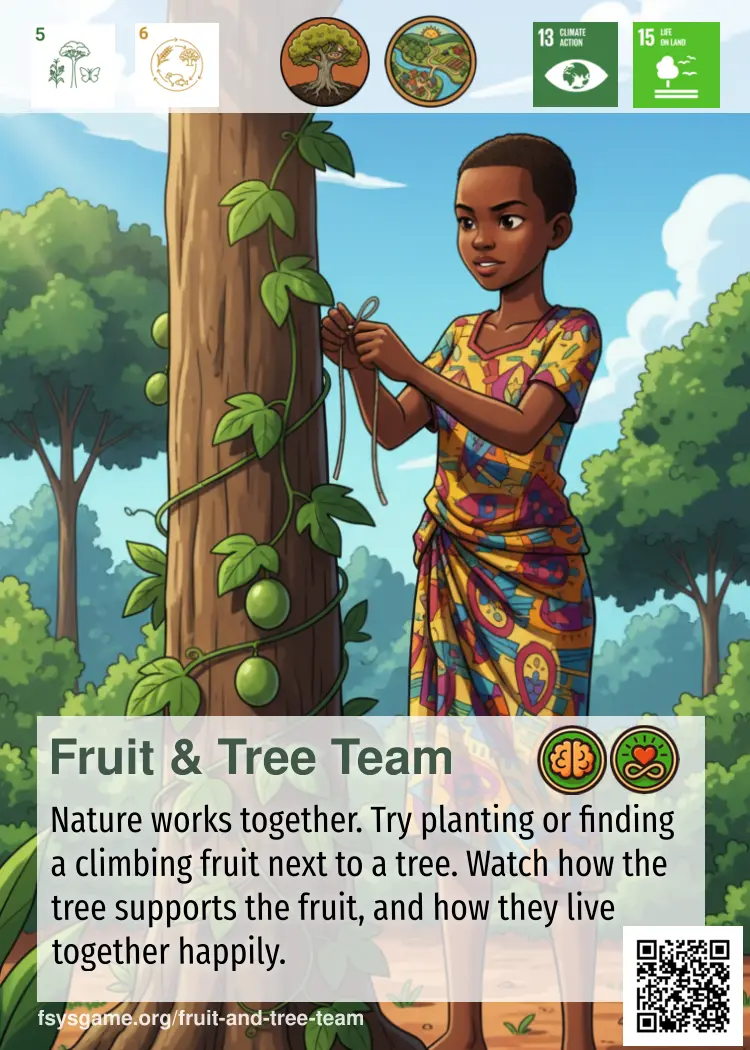
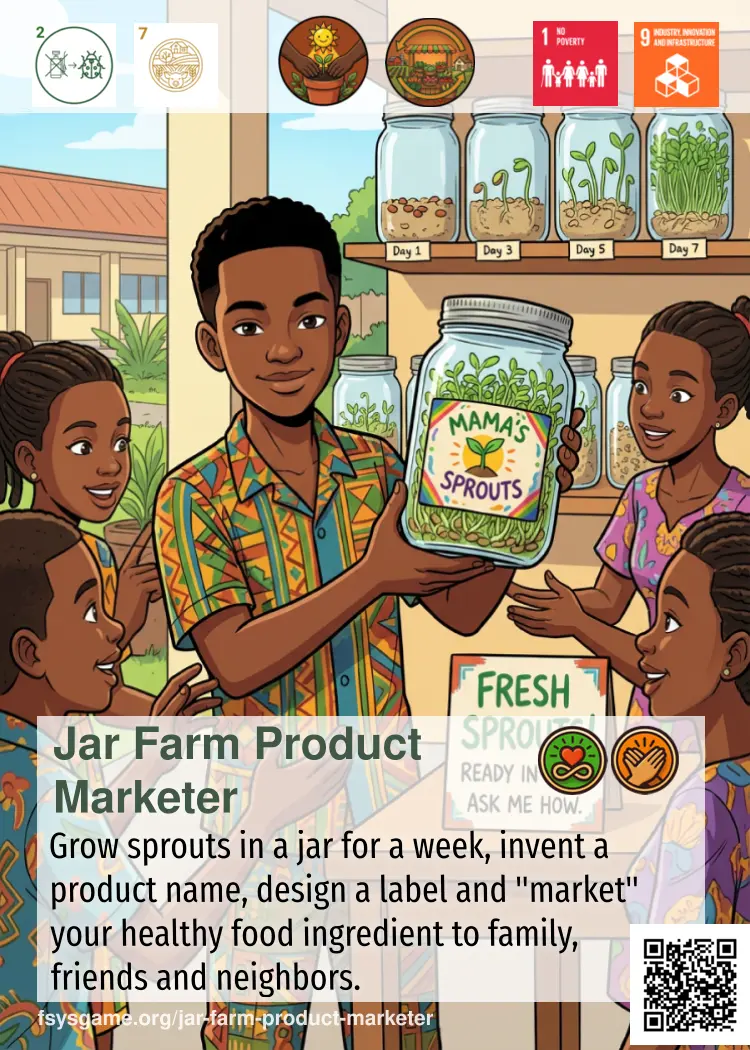
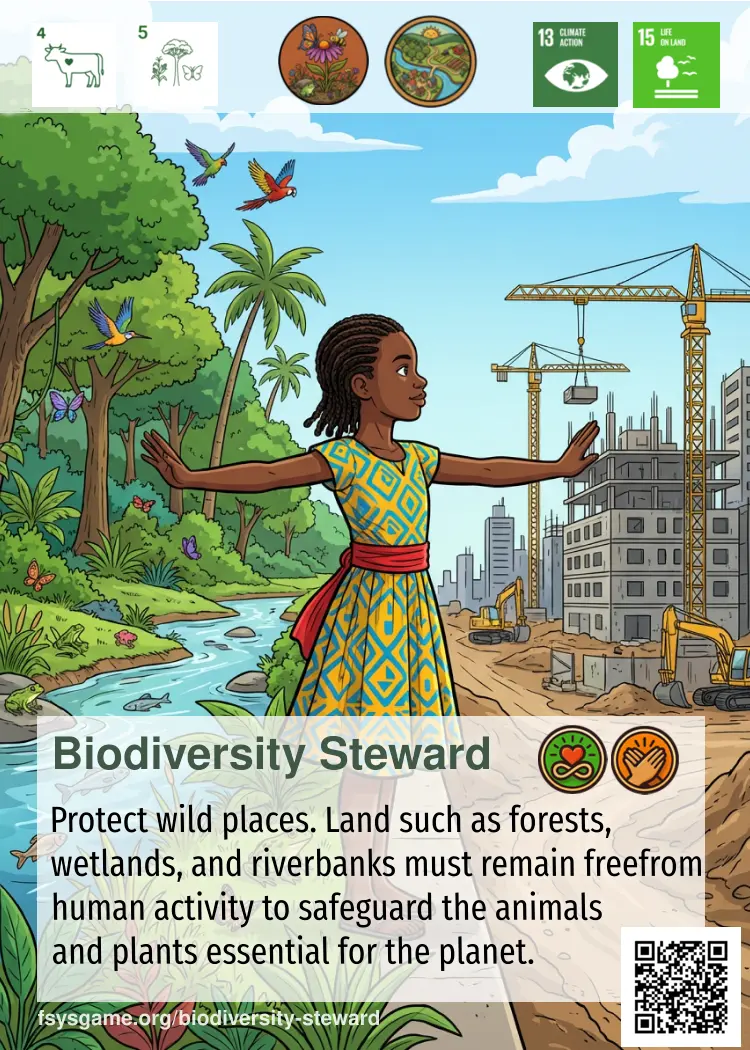
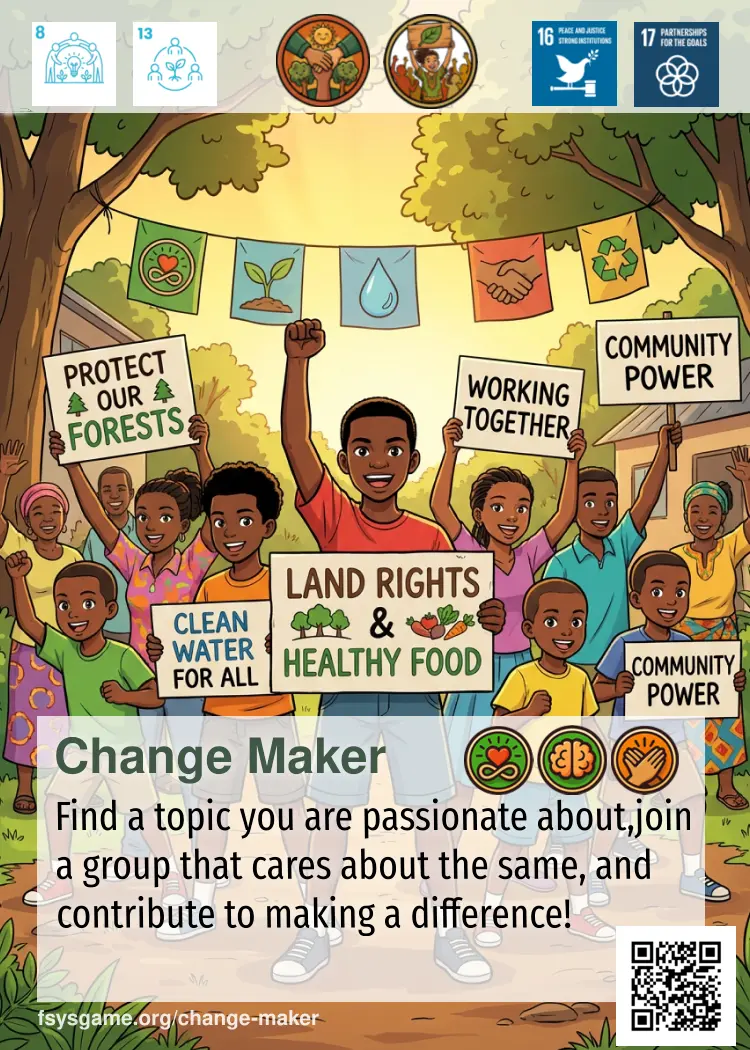
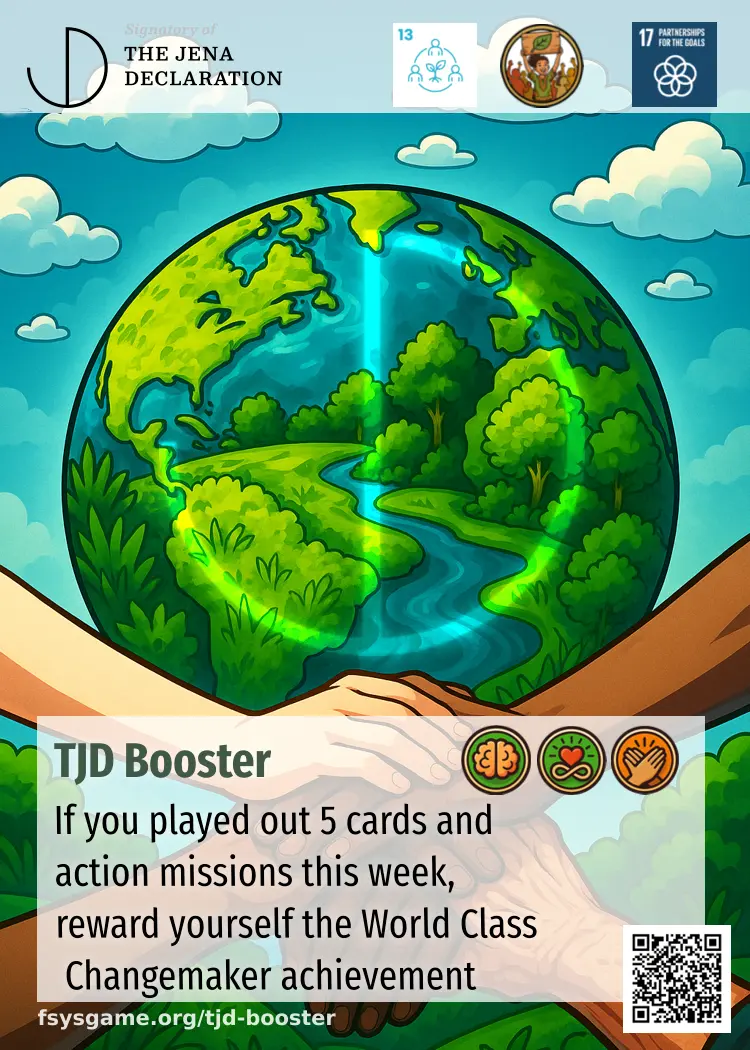
The Food Heroes Expansion has been developed in cooperation with the Multifunctional Schools Network in Kenya, established with CSHEP and DNRC in Kiambu, Kajiado, and Makueni Counties, under the CGIAR Science Program on Multifunctional Landscapes, led by the Alliance of Bioversity International and CIAT, in collaboration with The Grass Company and fsysgame.org

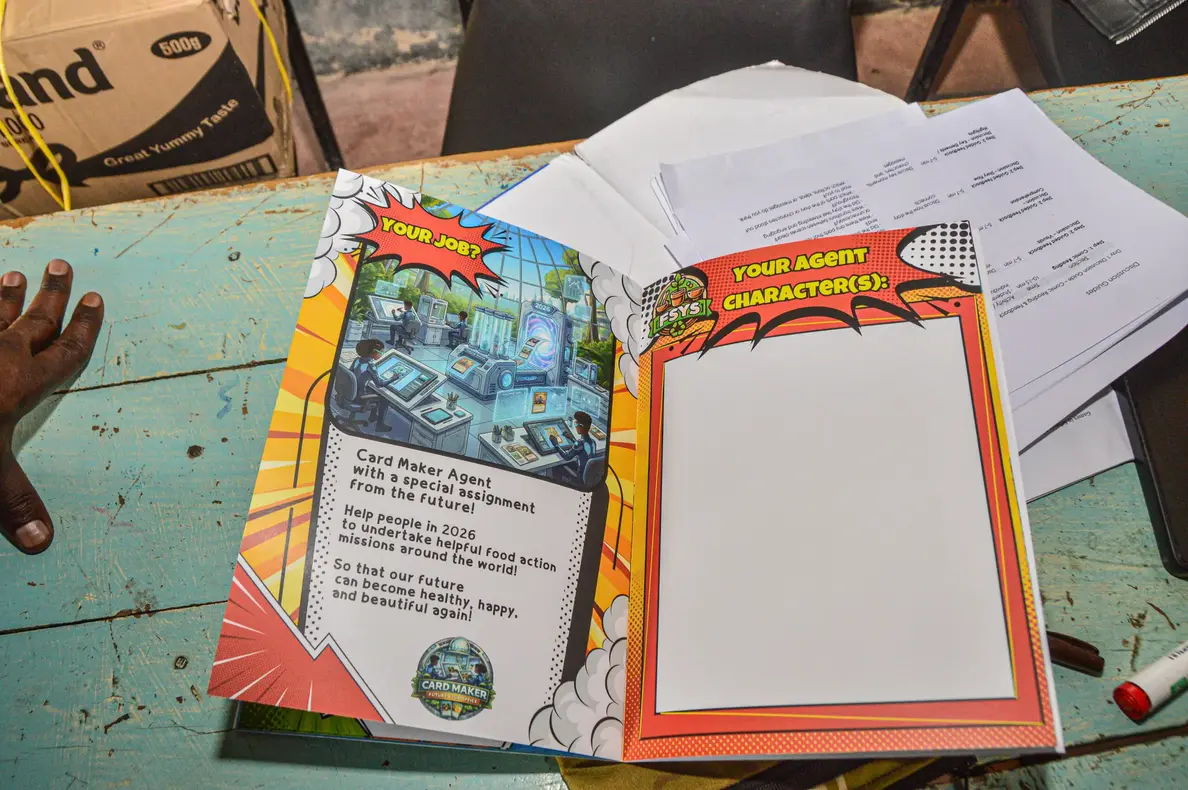
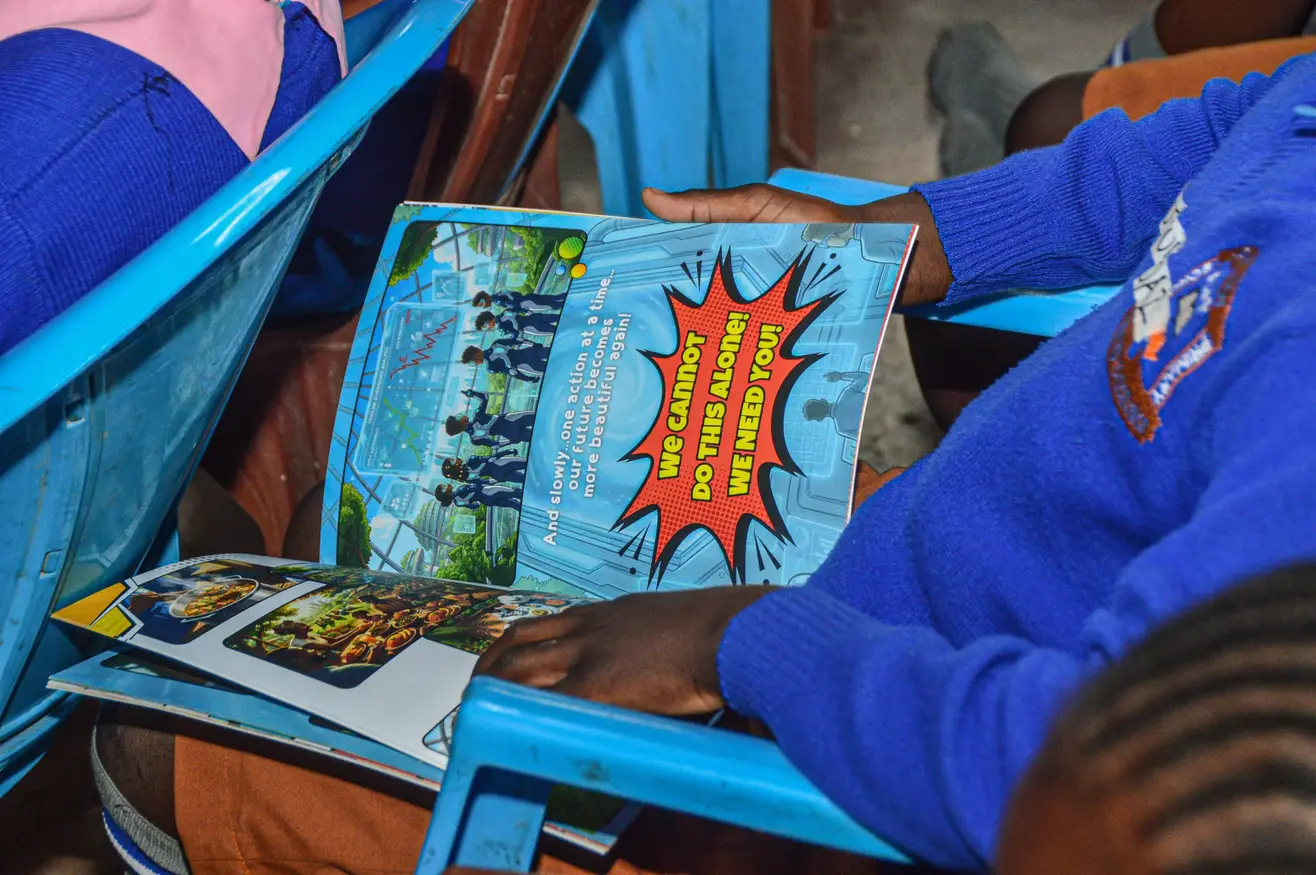
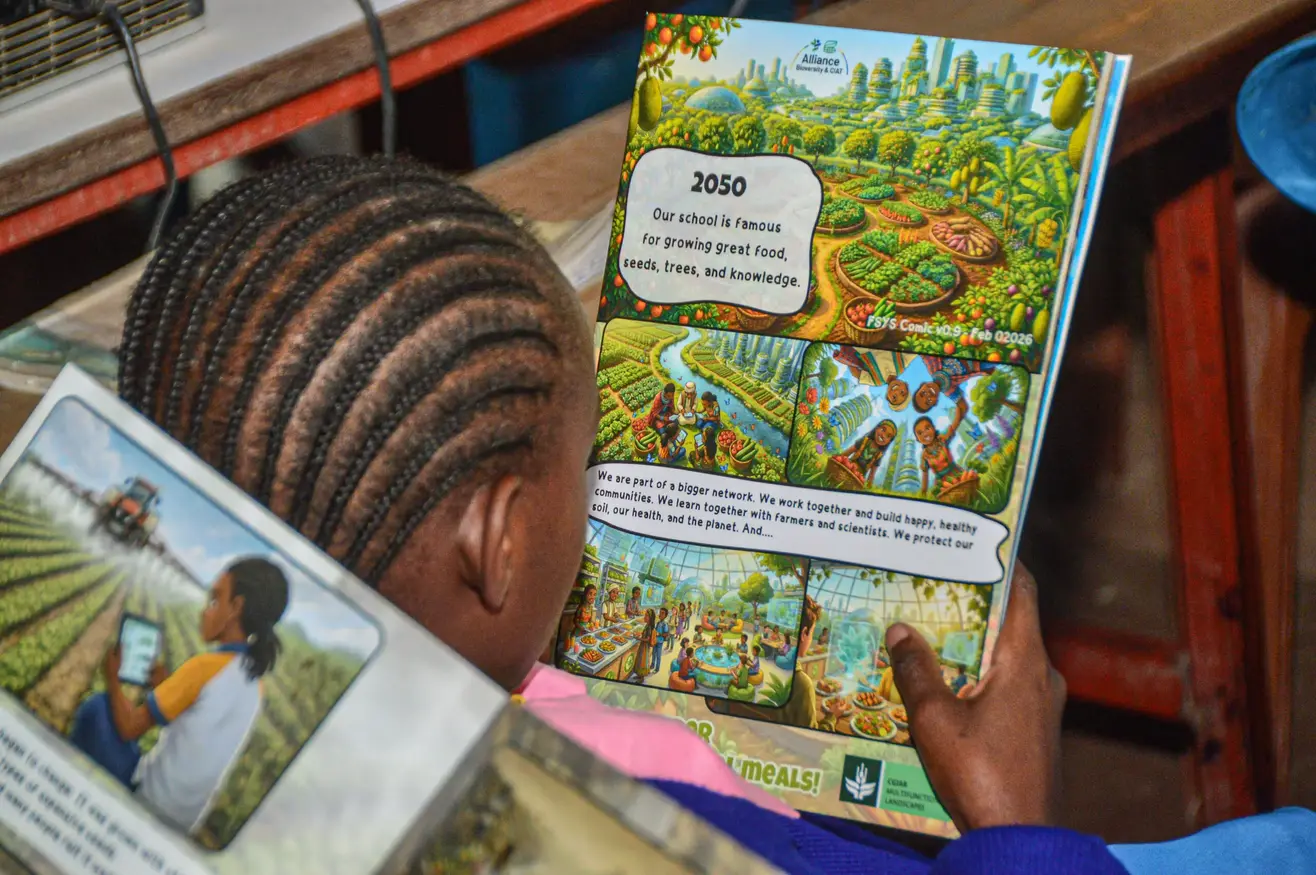
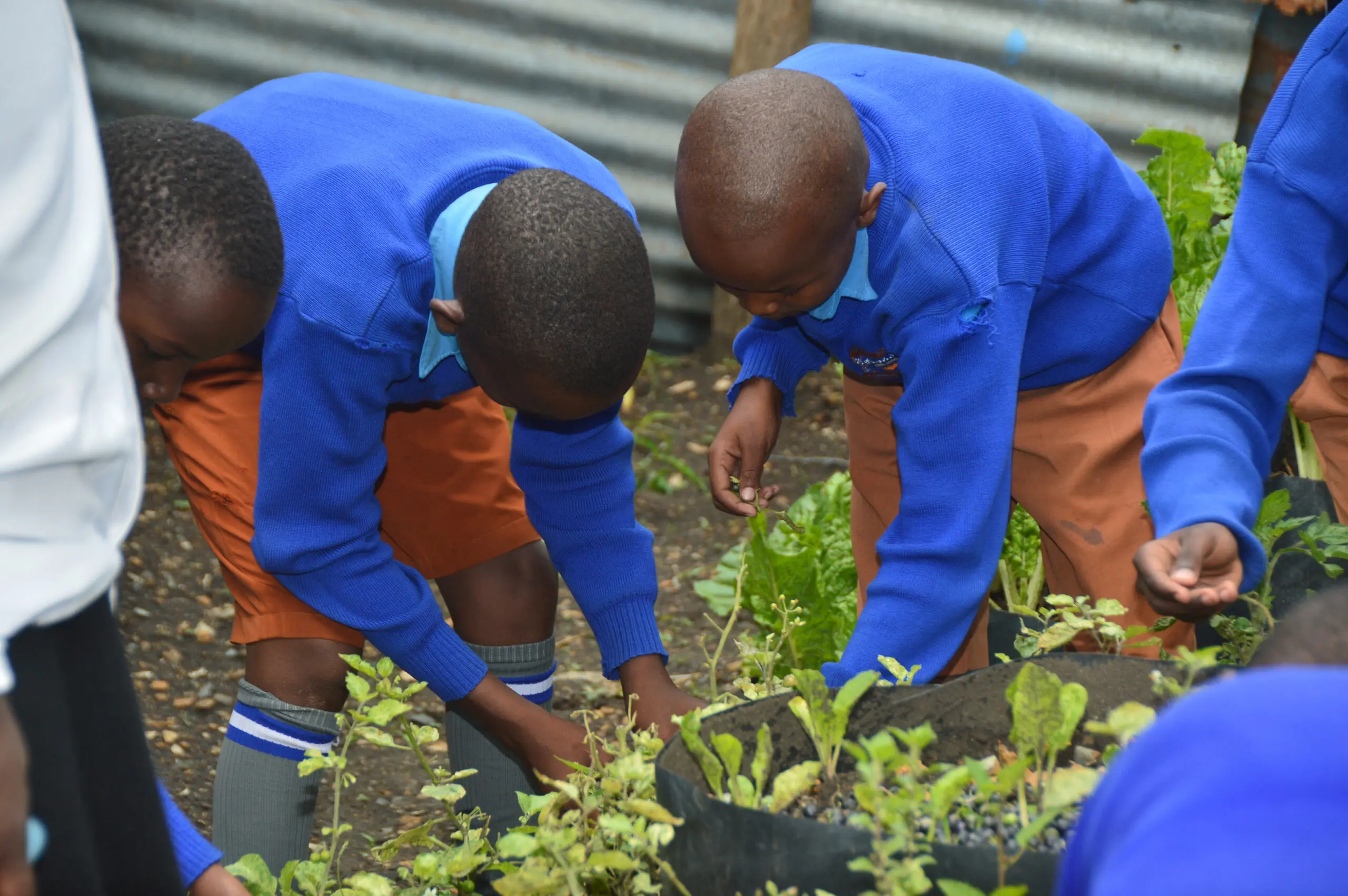


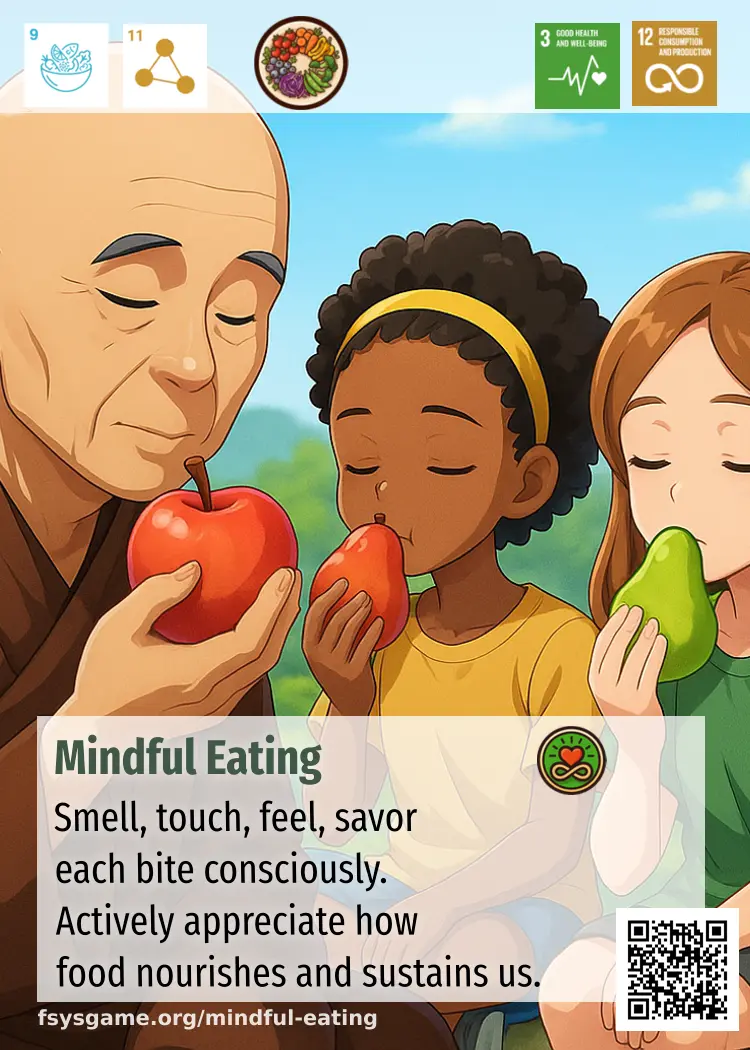
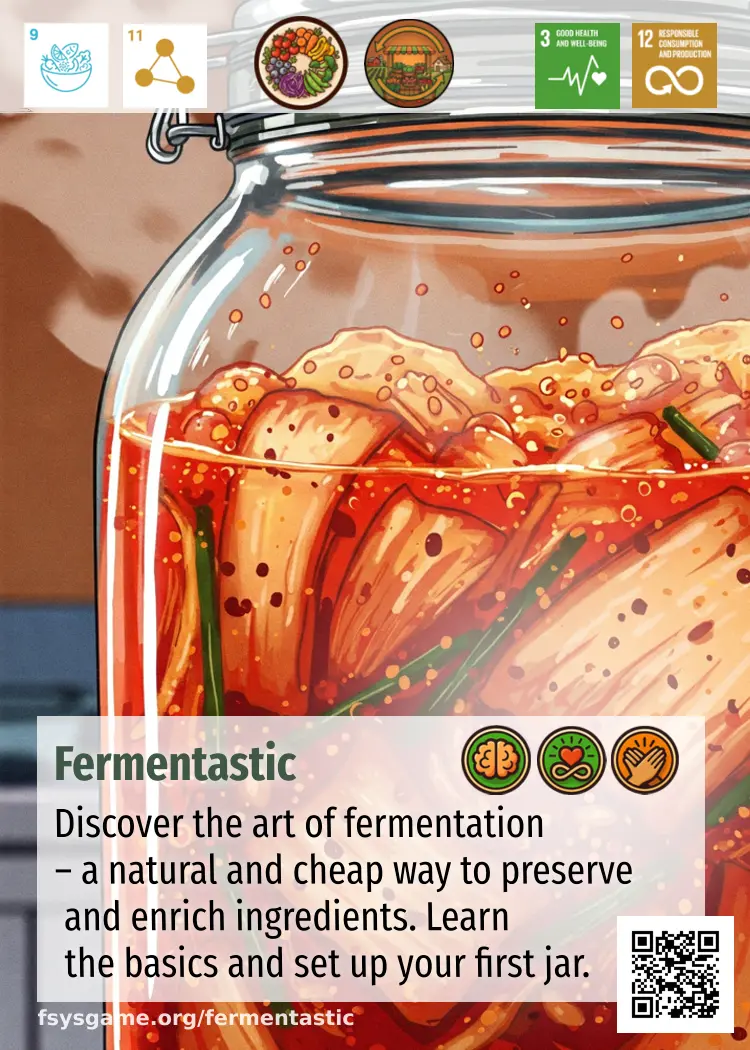
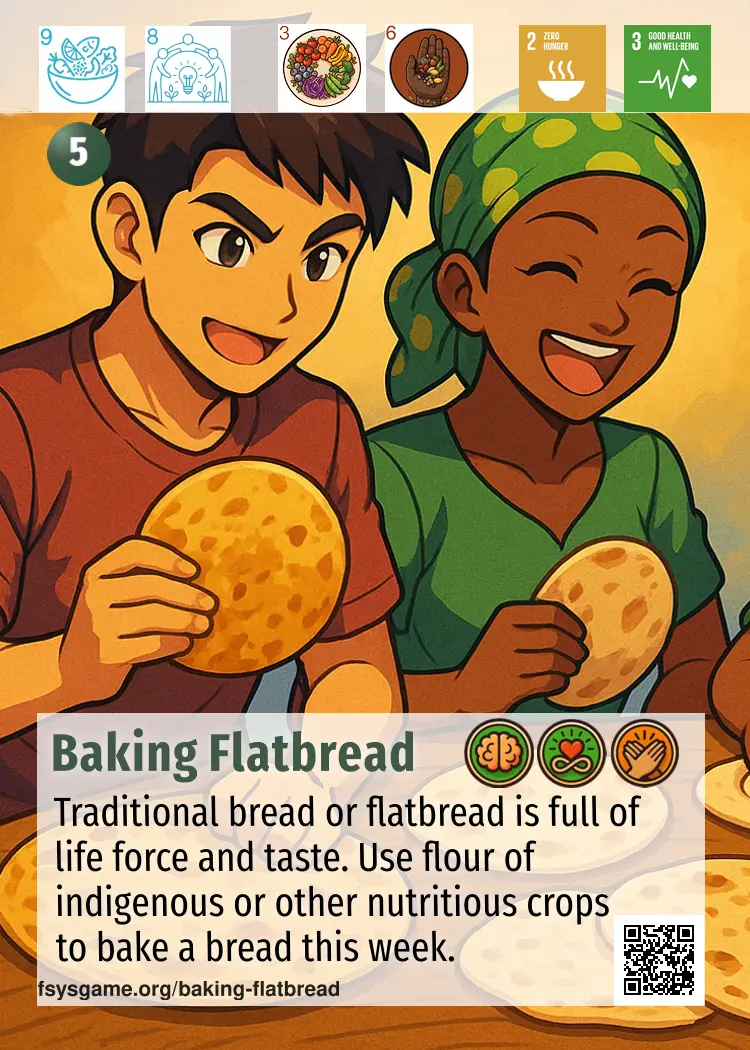
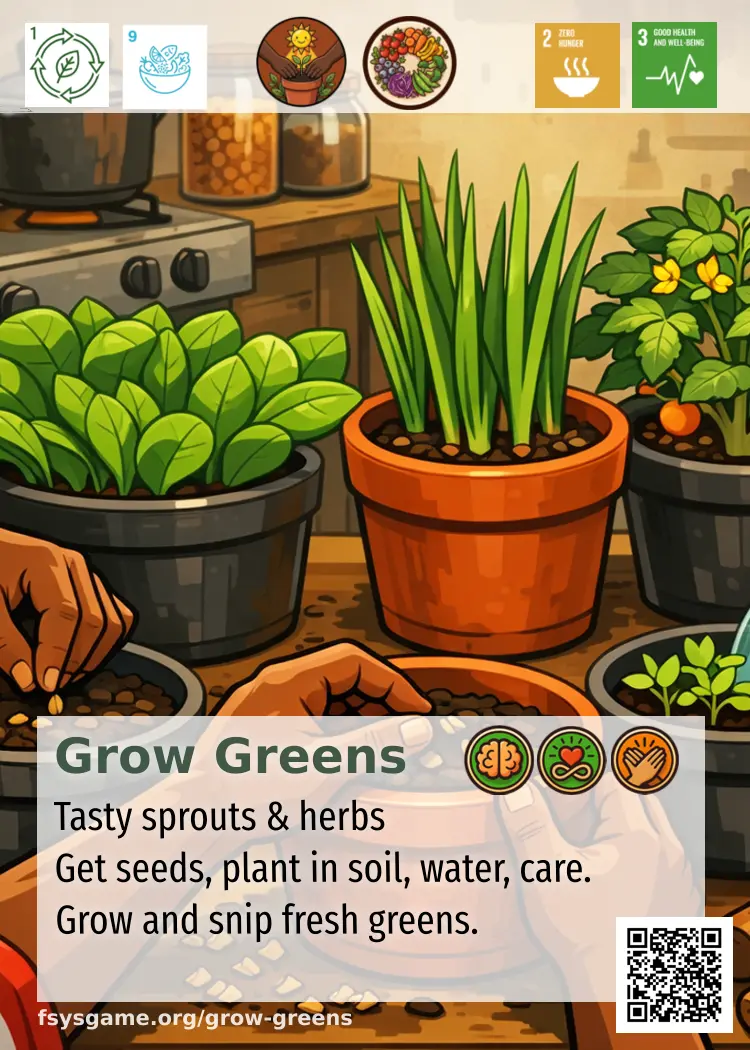
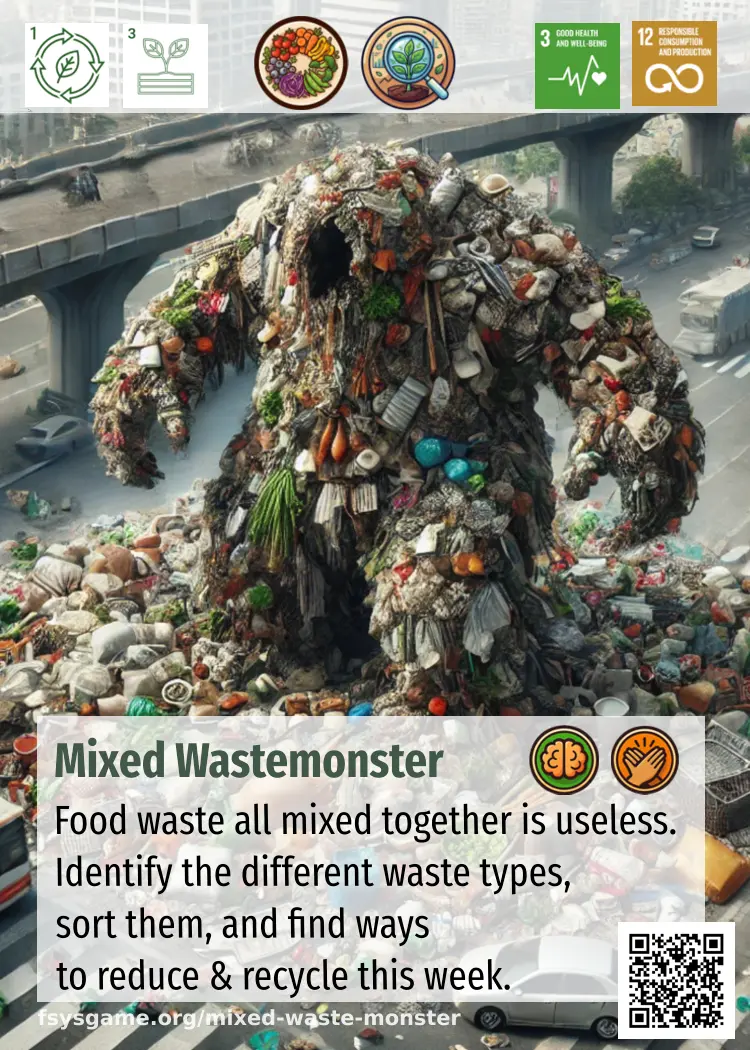
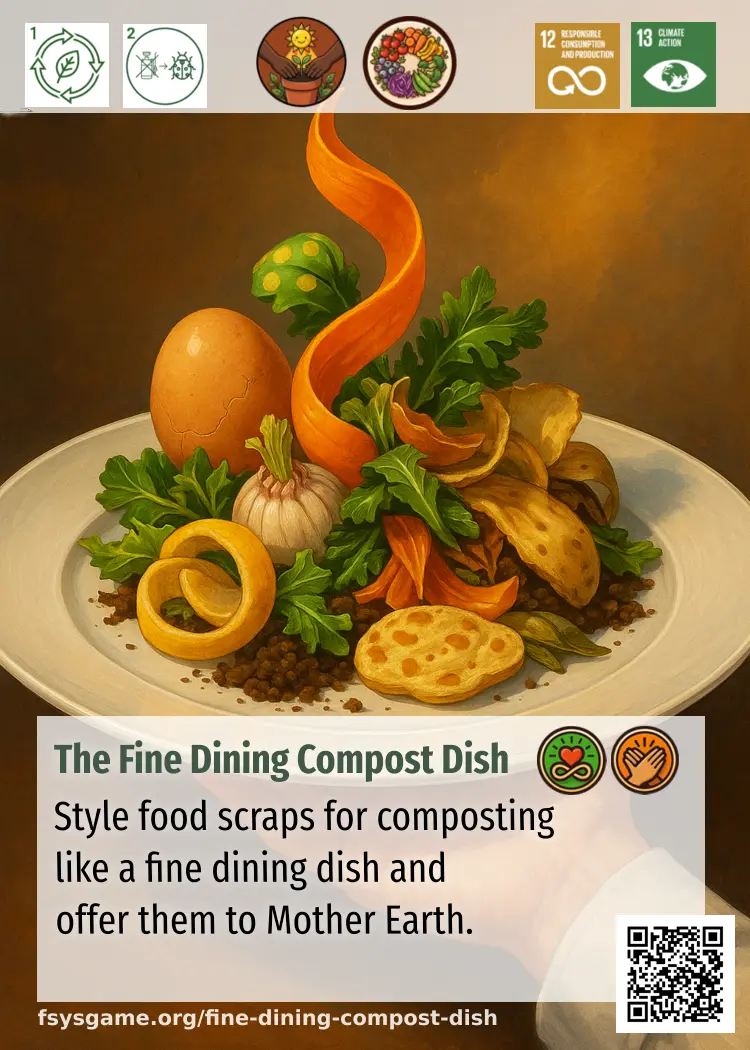
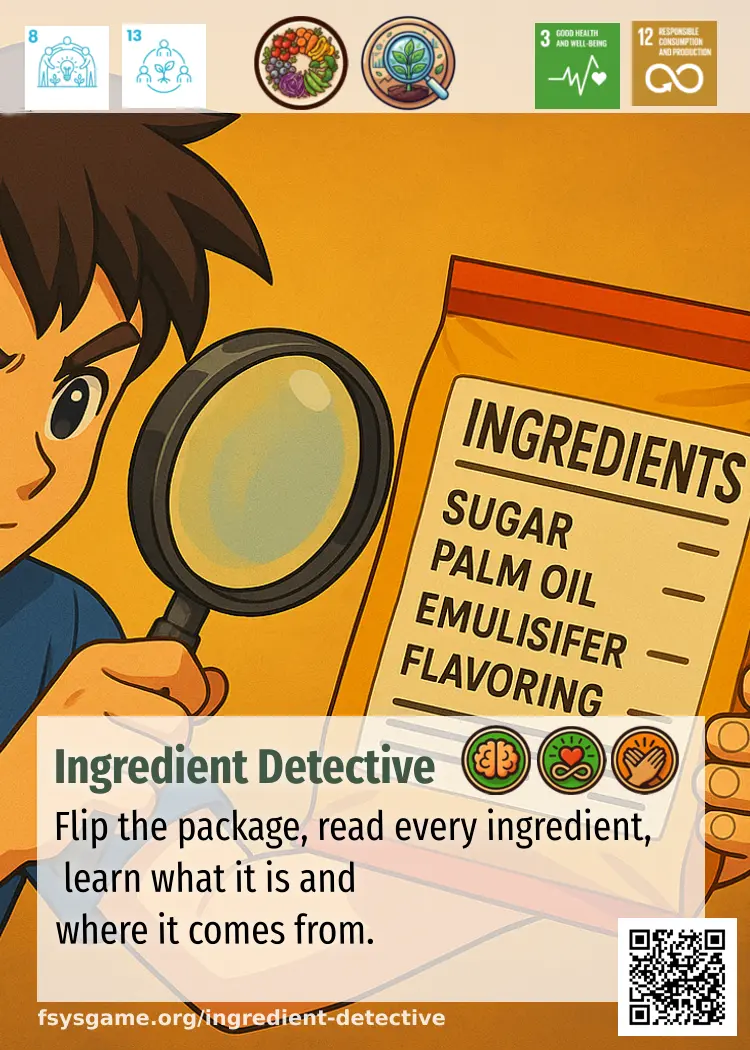
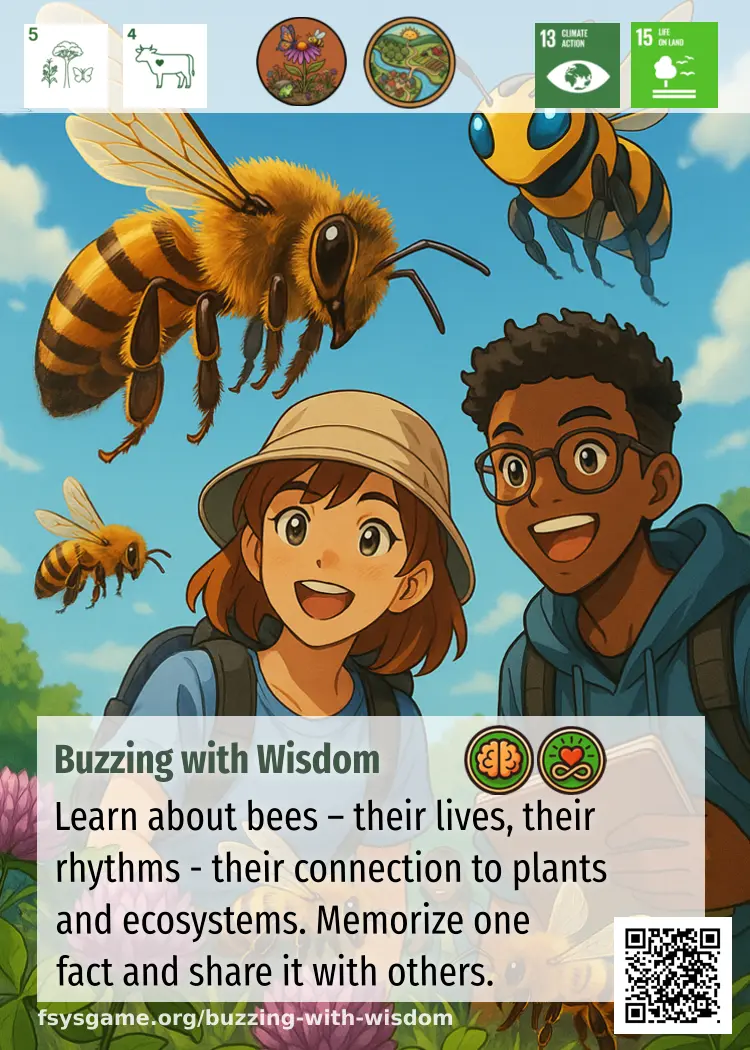
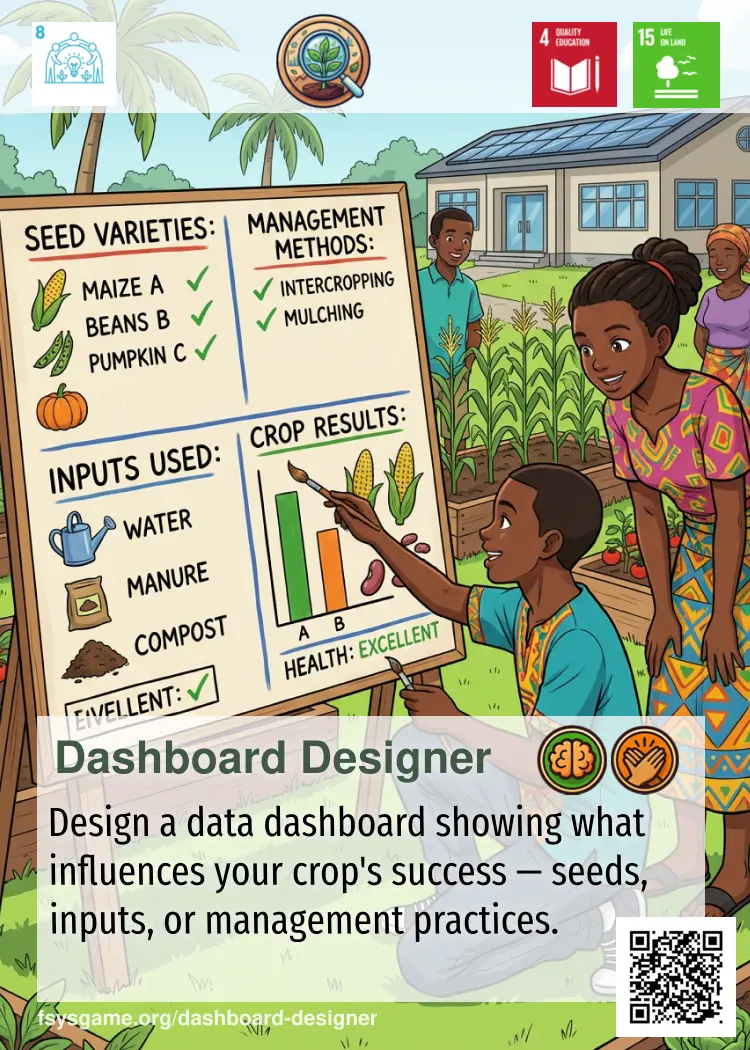
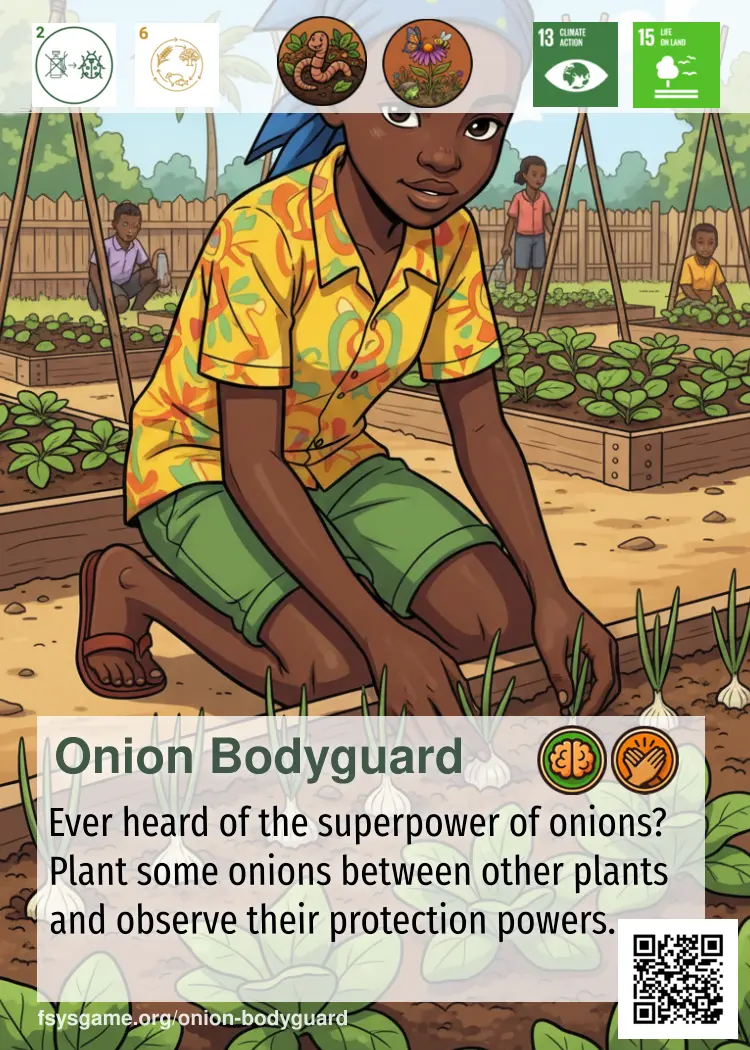
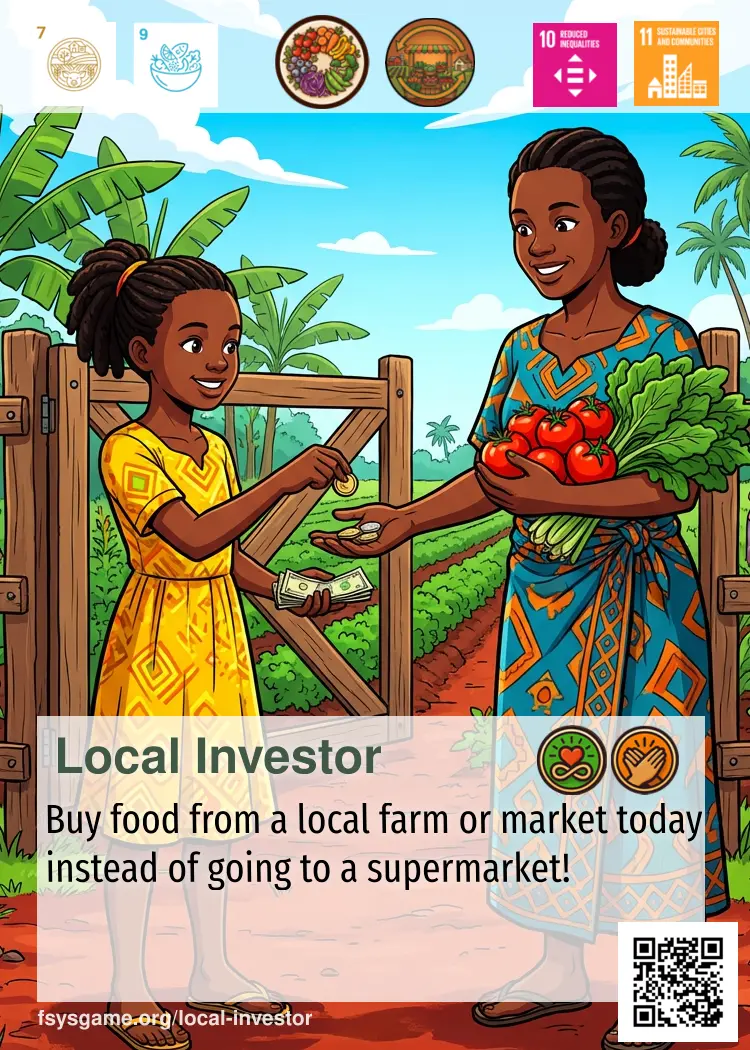
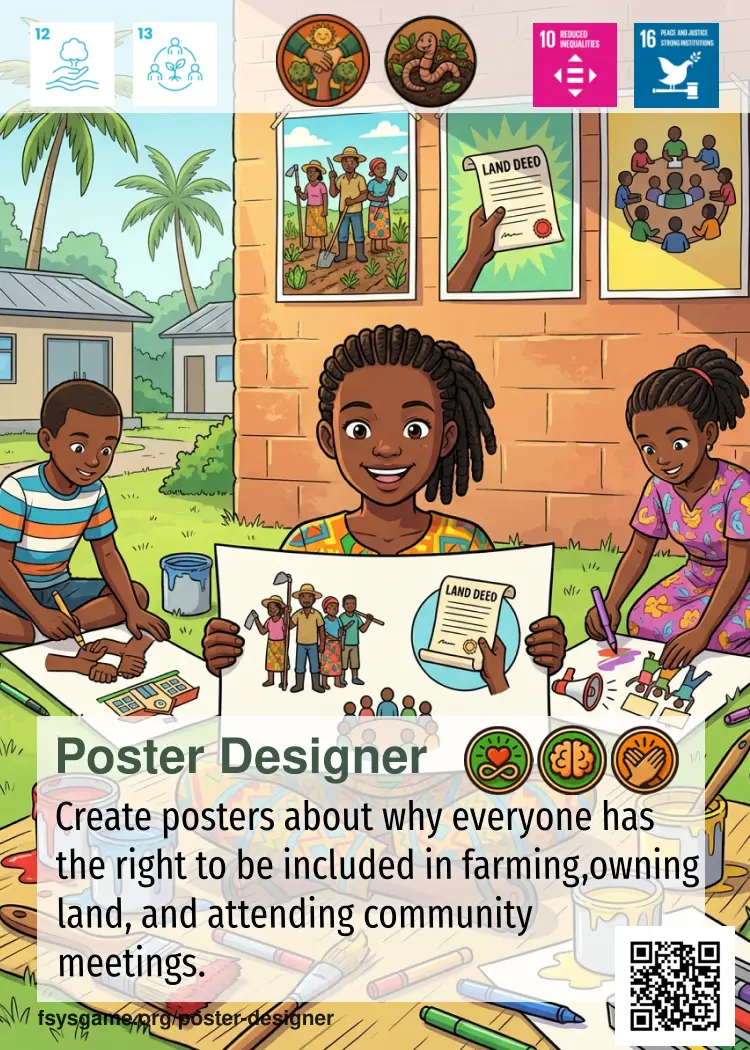
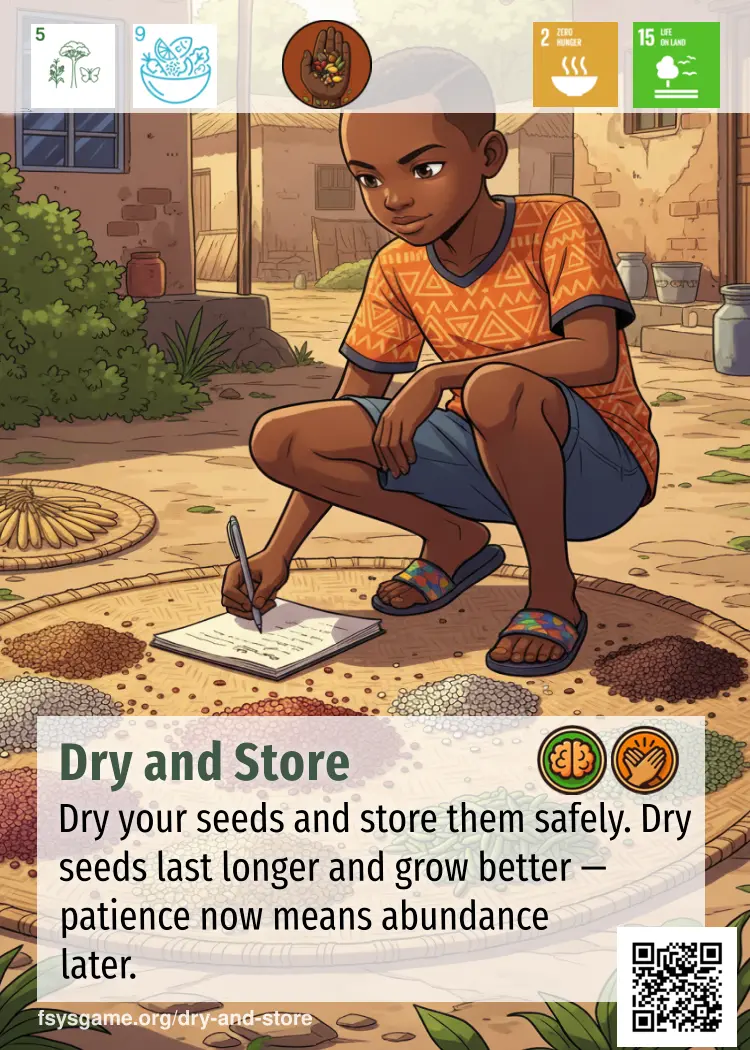
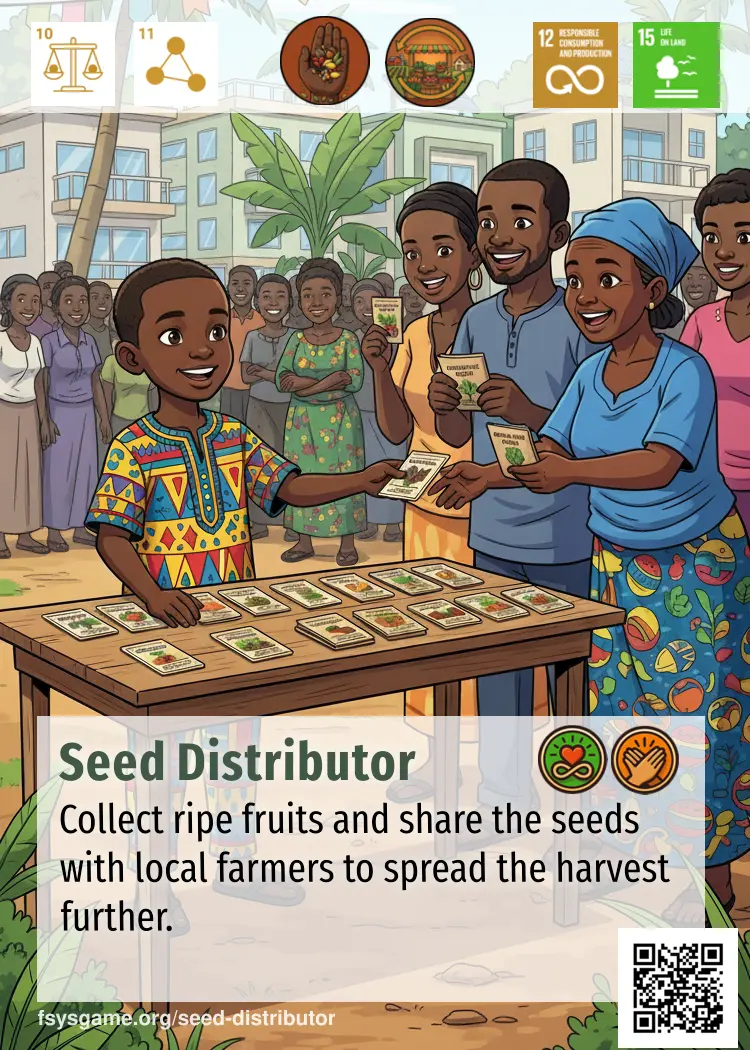
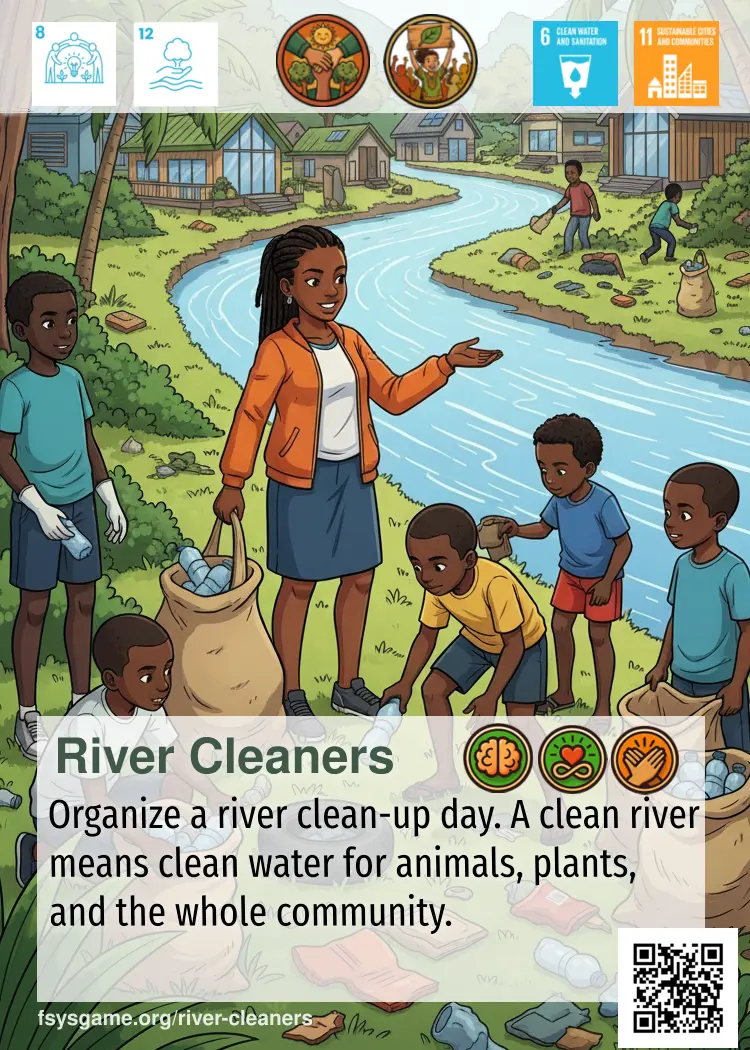
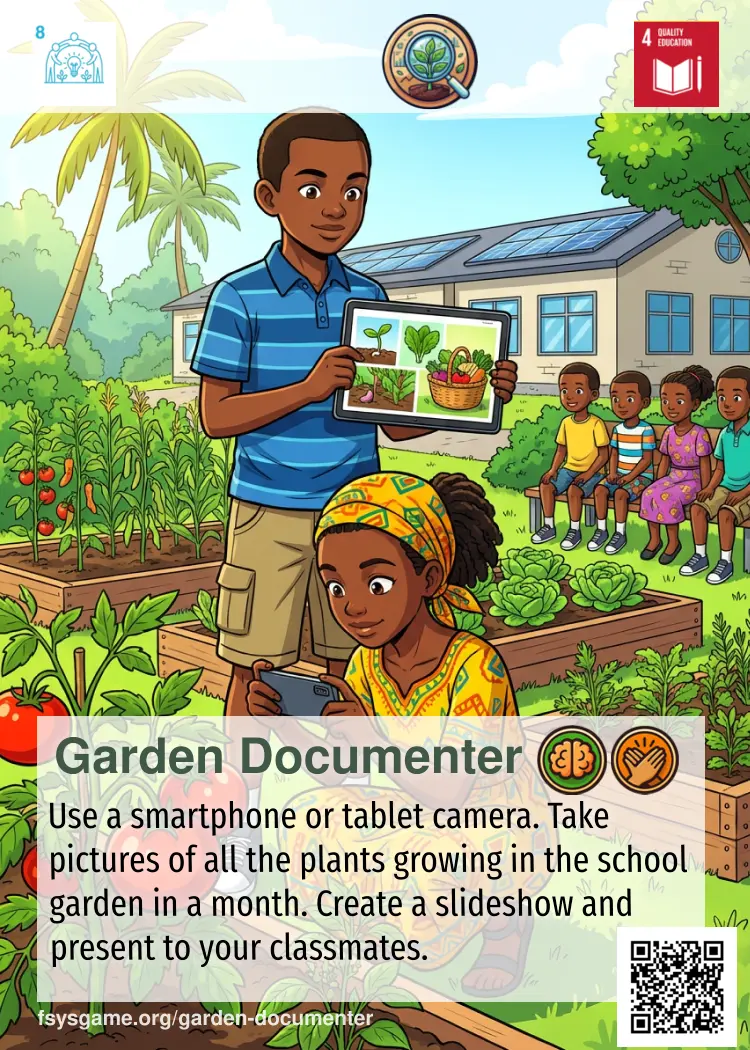
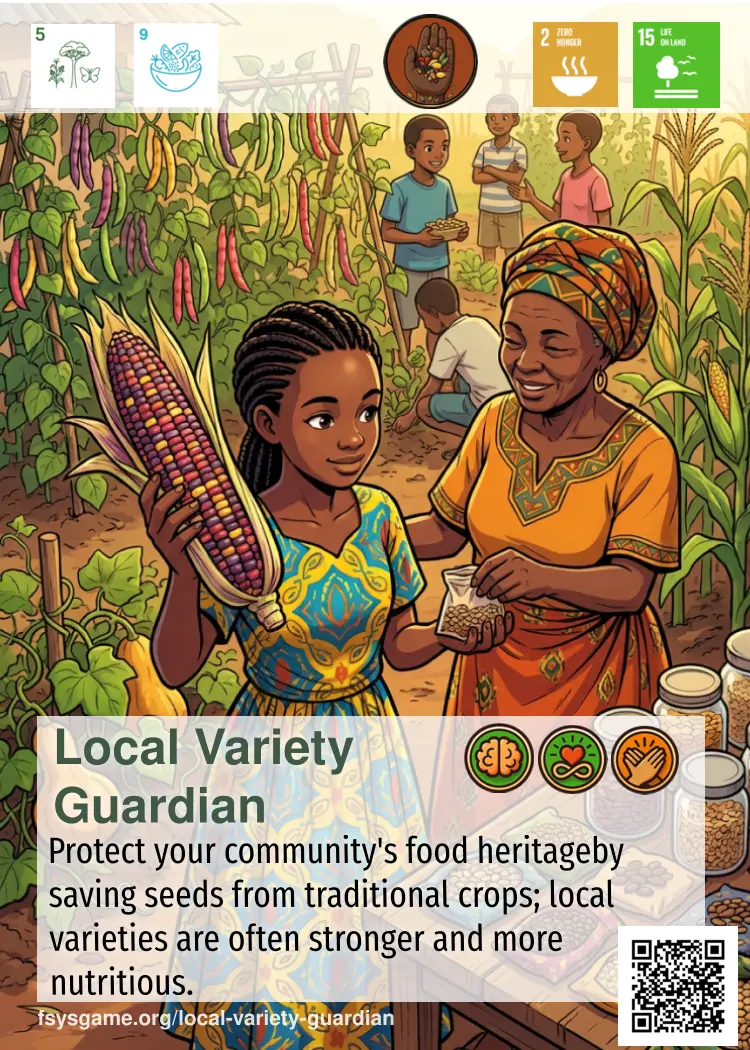
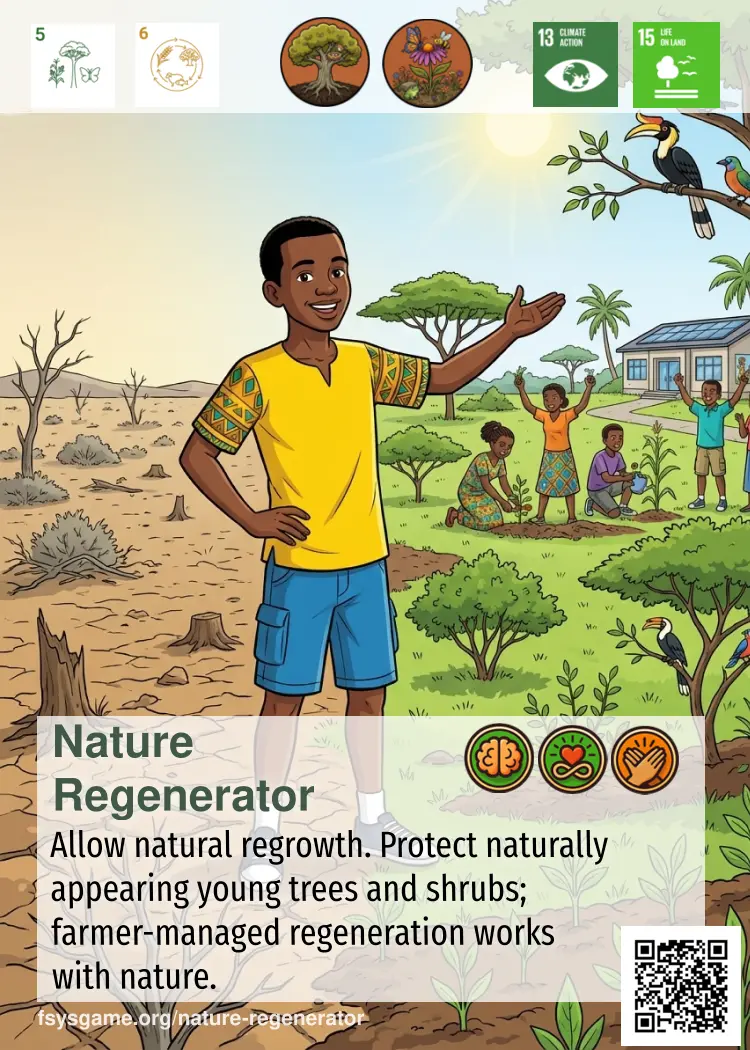
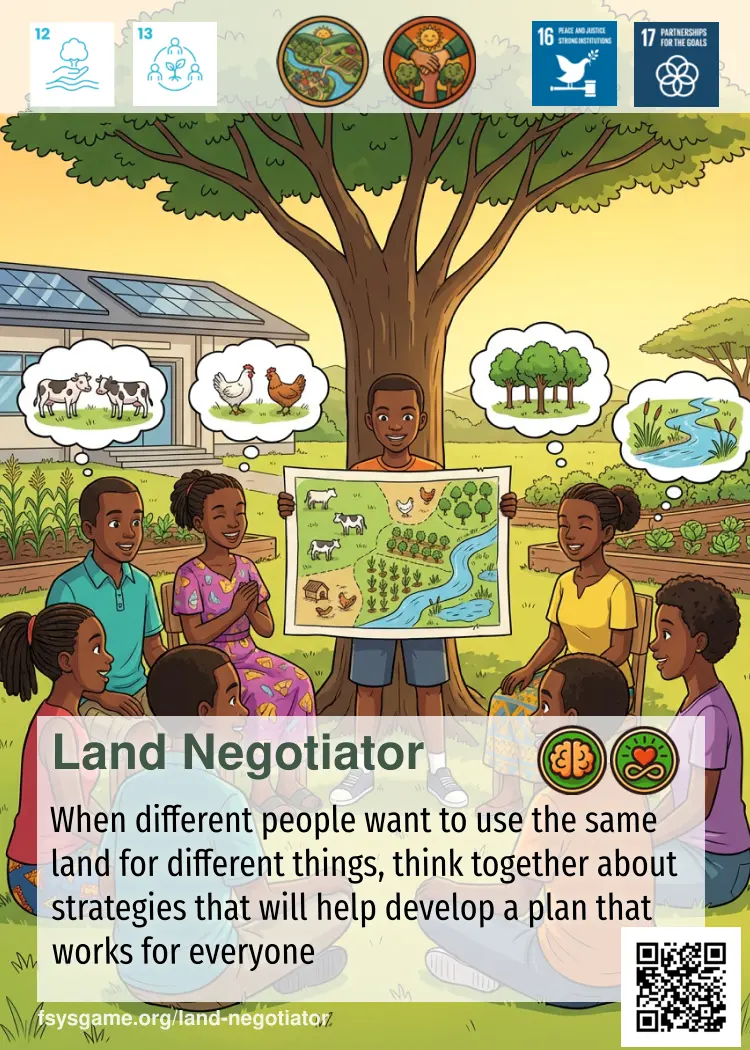
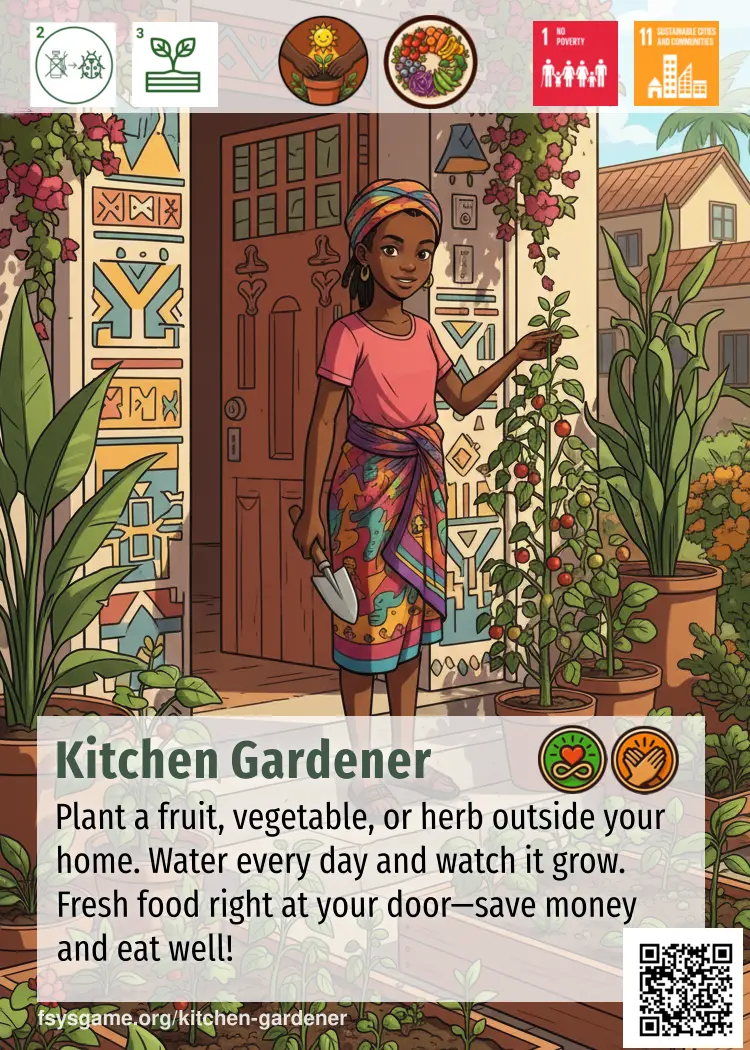
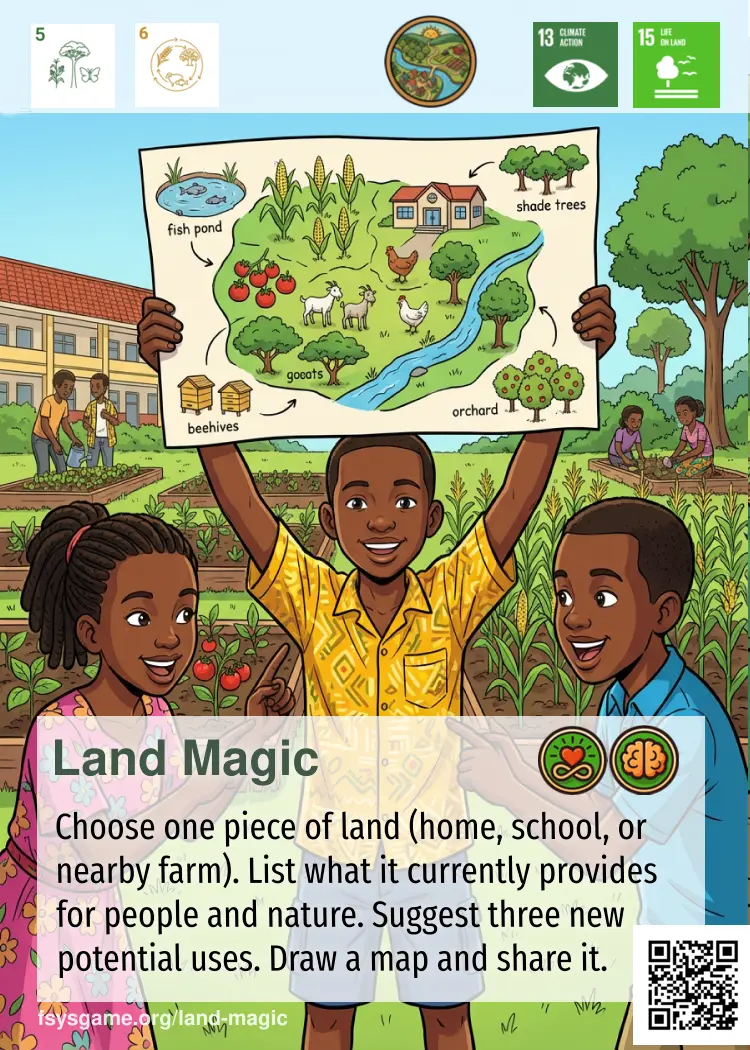
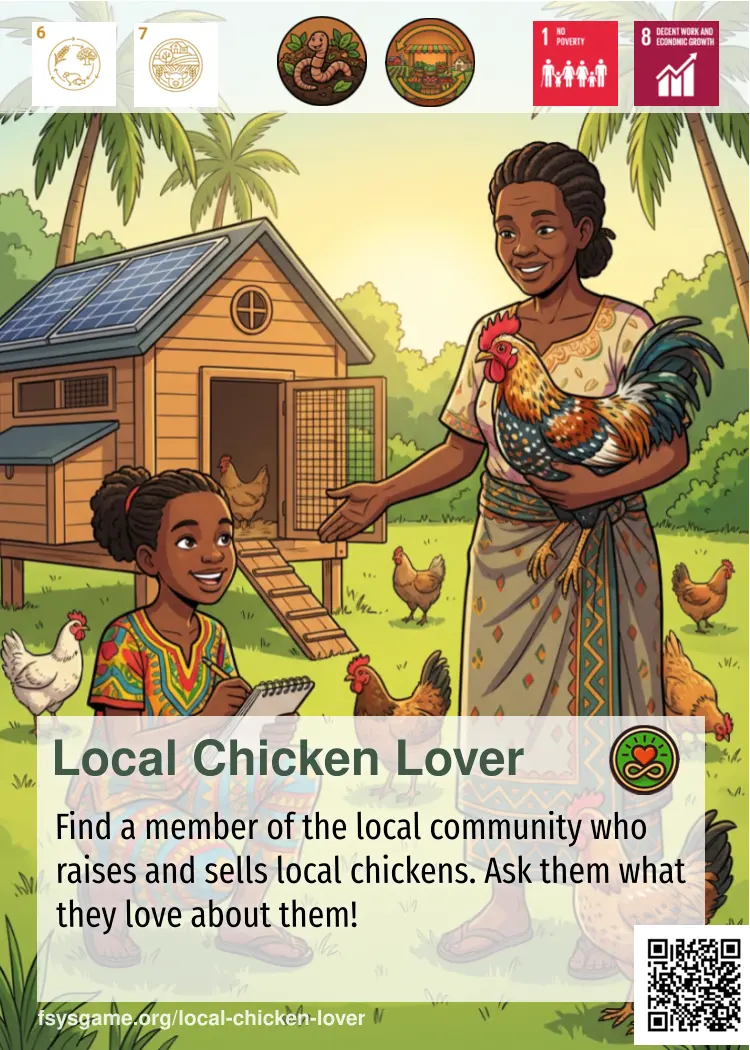
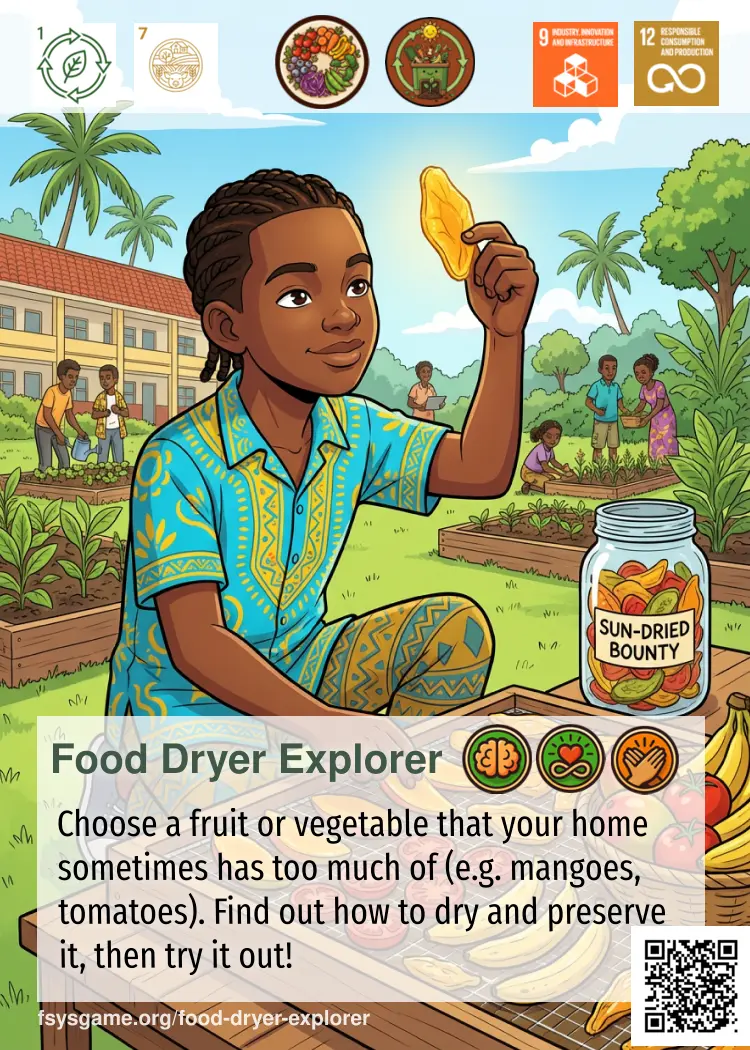
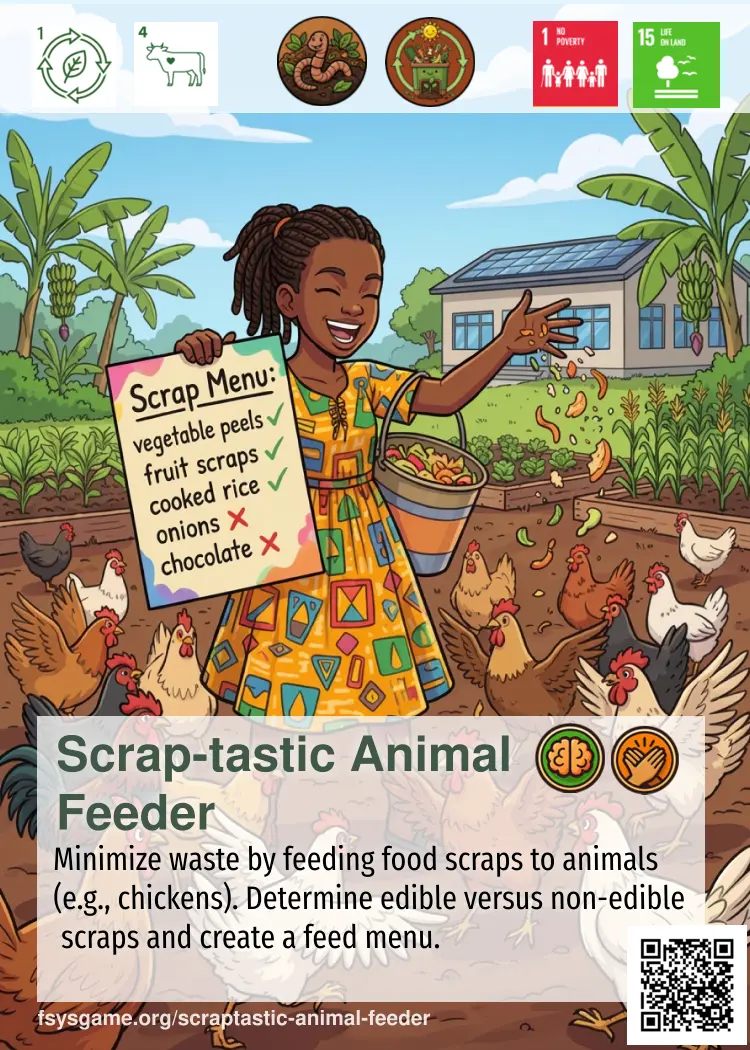
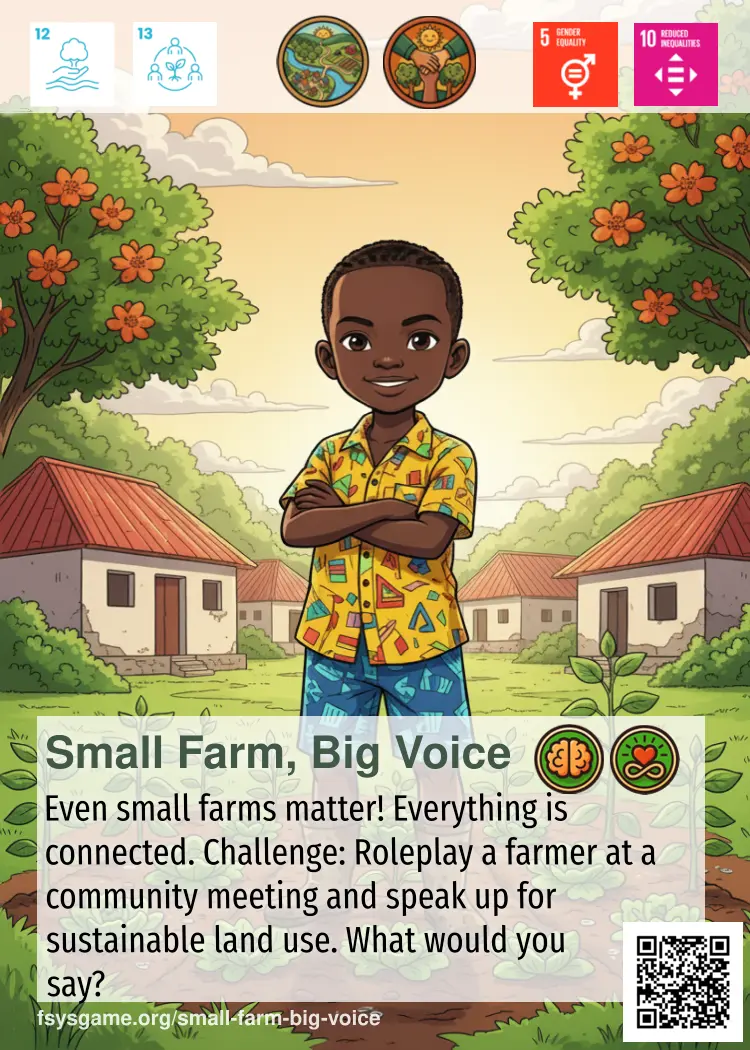
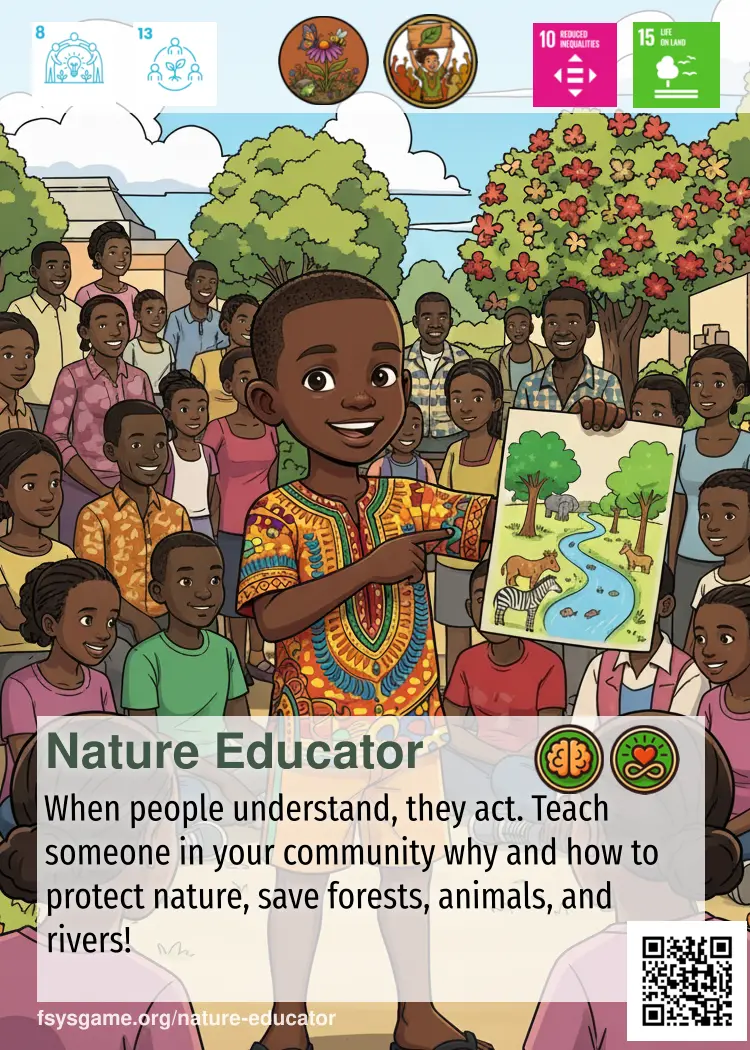
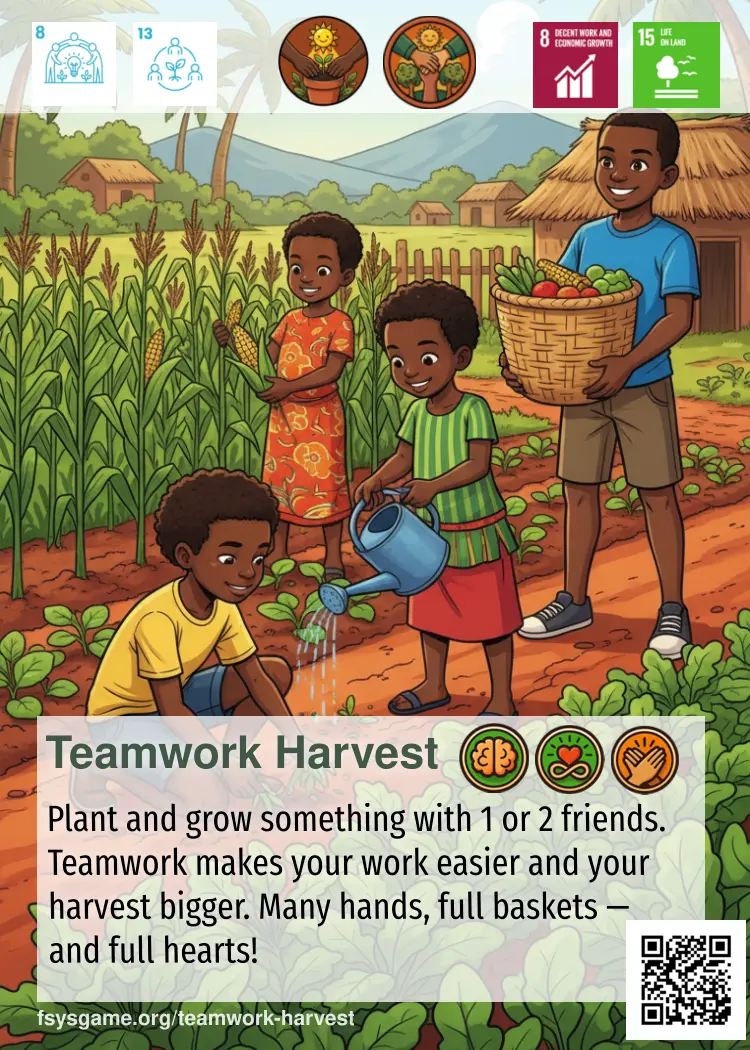
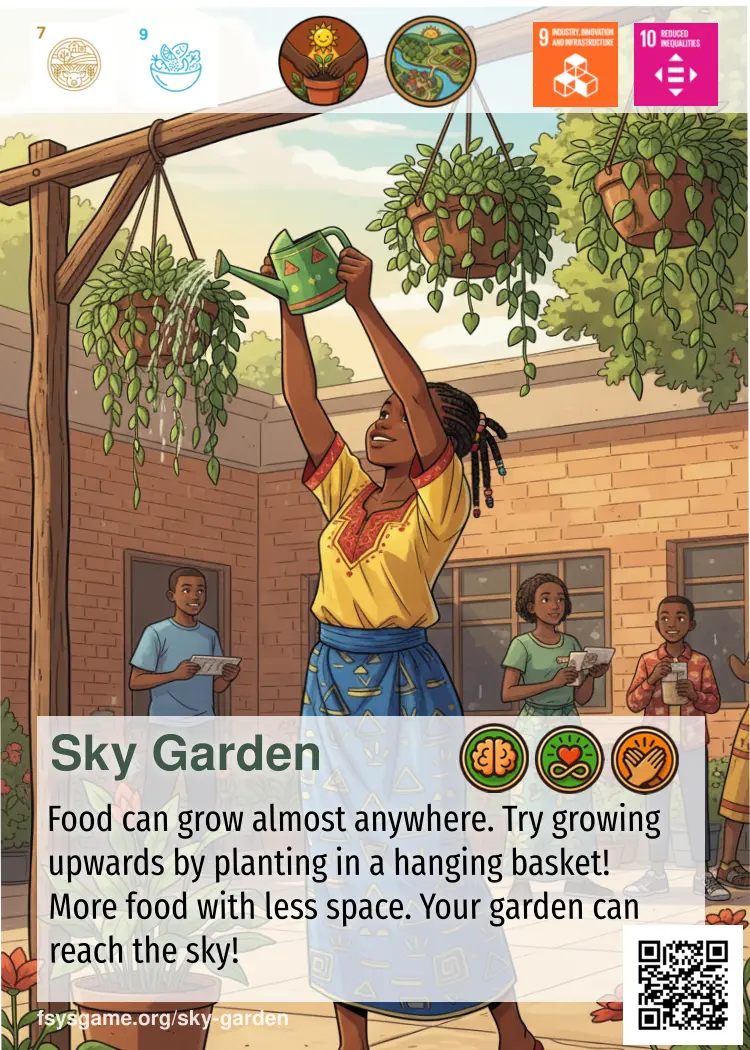
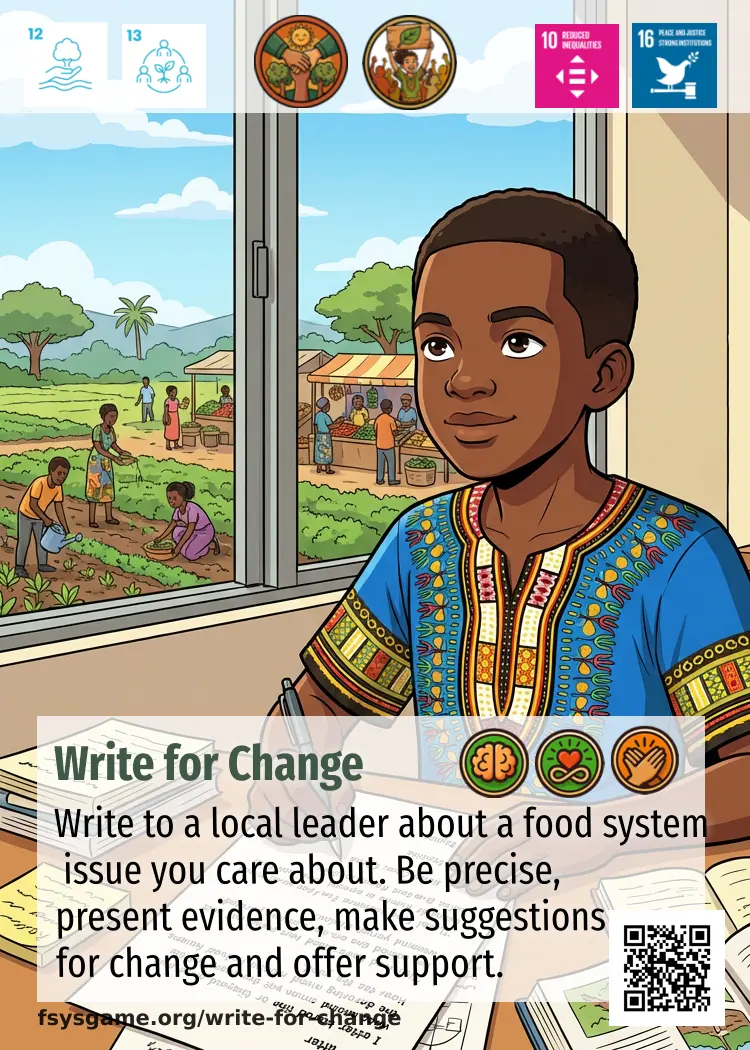
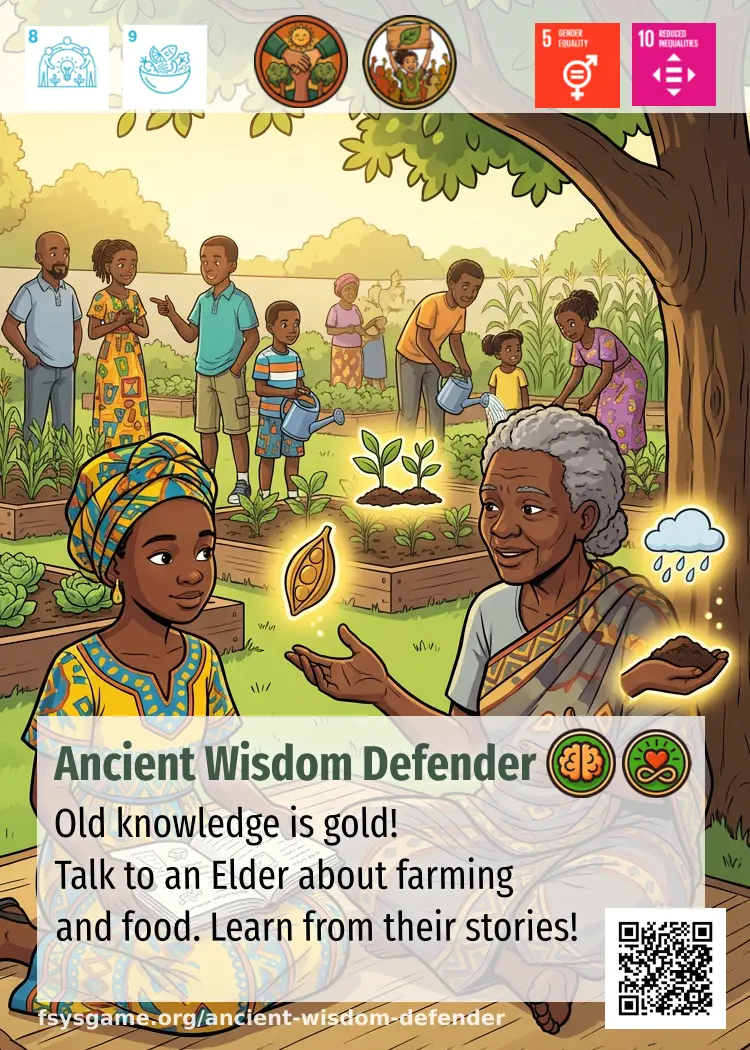
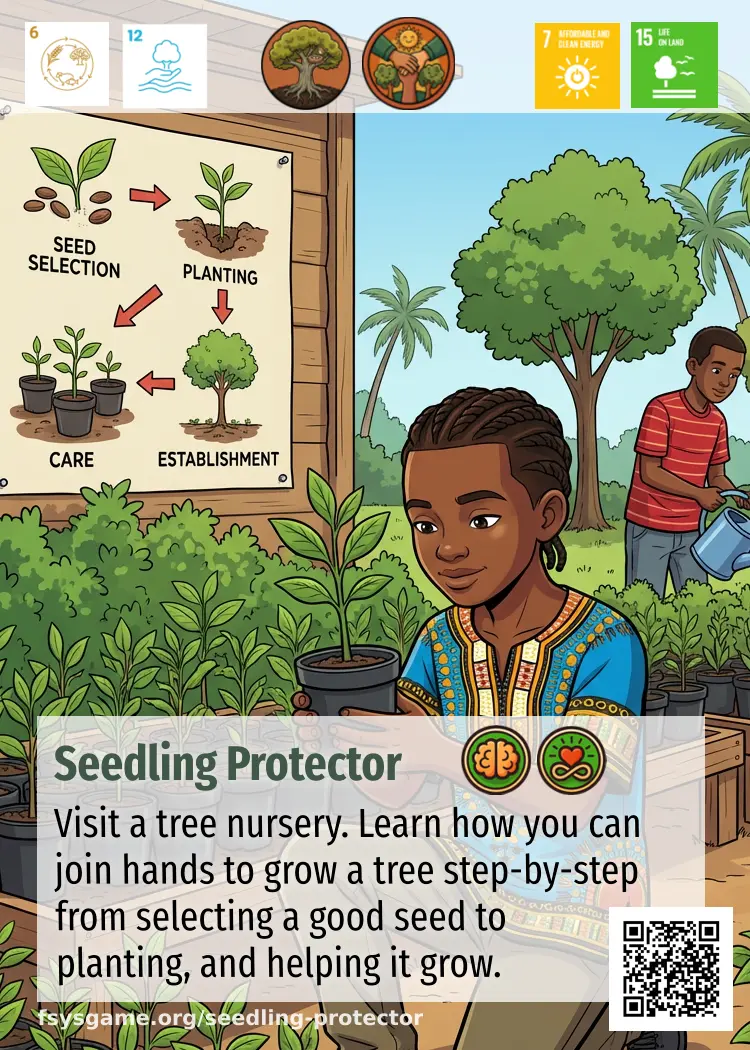
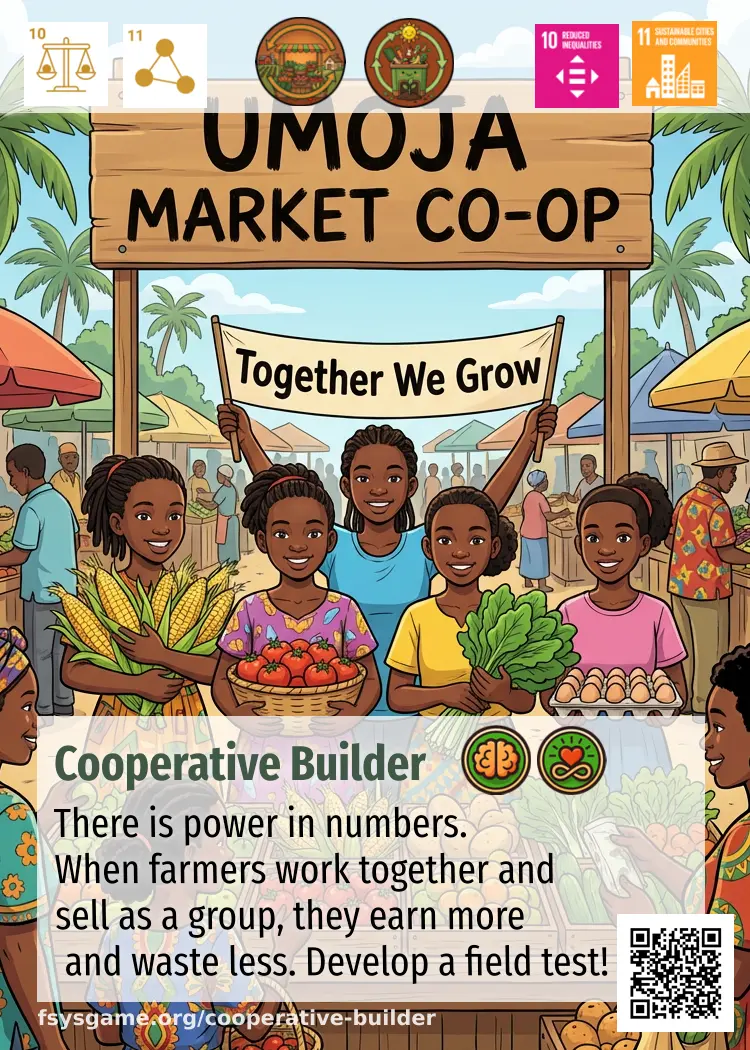
The Multifunctional Landscapes program envisions diverse, healthy landscapes co-created and managed by communities. The Food Heroes Expansion brings that vision to the next generation translating science into 60 collectible action cards, each carrying a hands-on mission rooted in agroecology, sustainable food systems, and multifunctional landscape thinking 🌱.
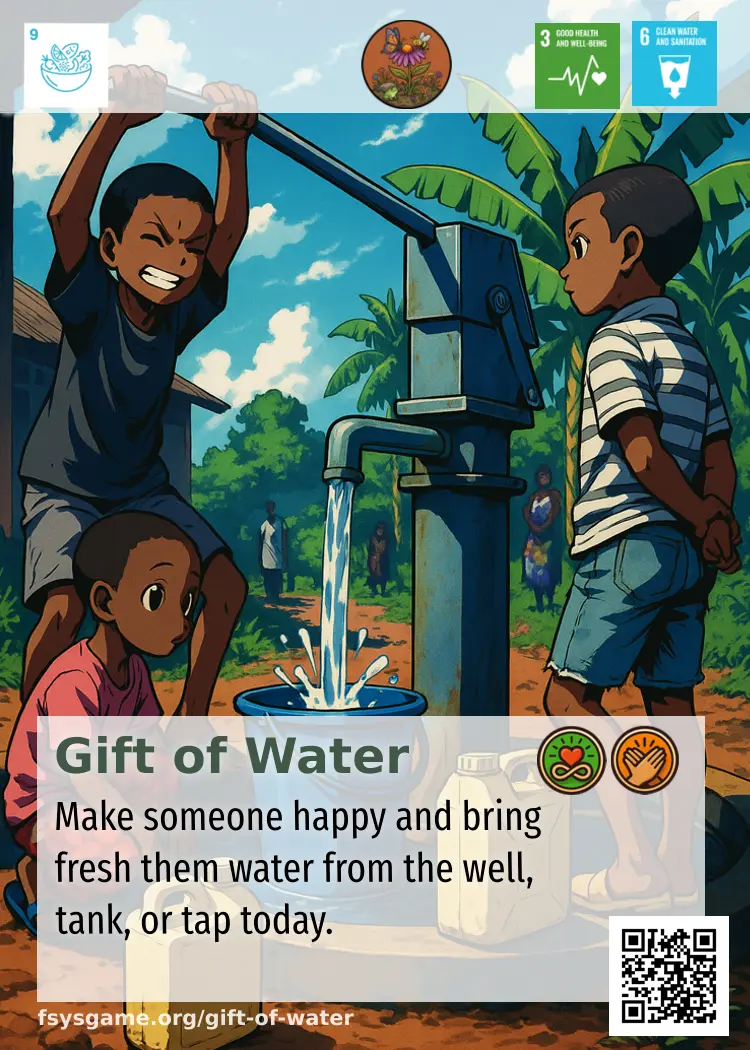
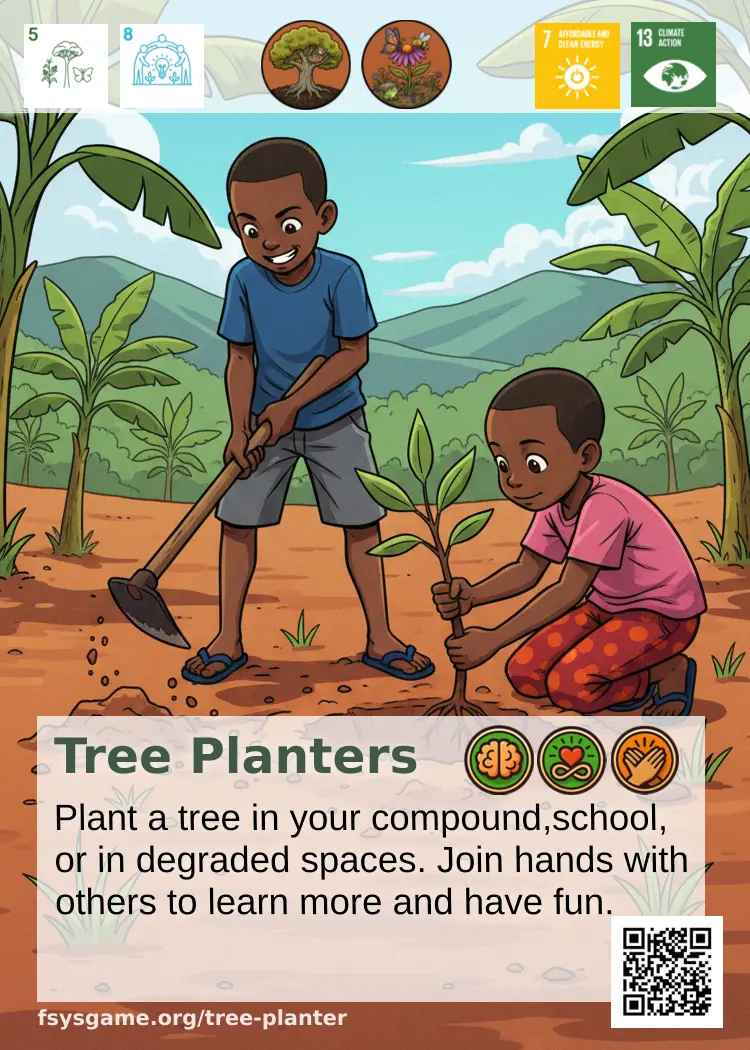
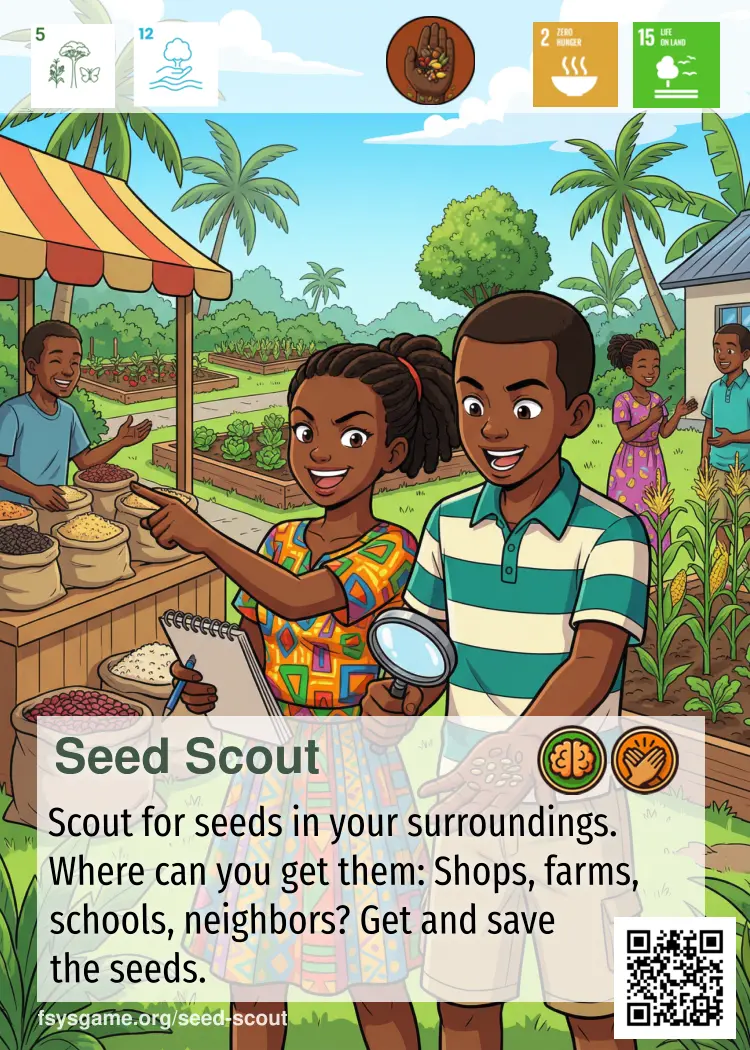
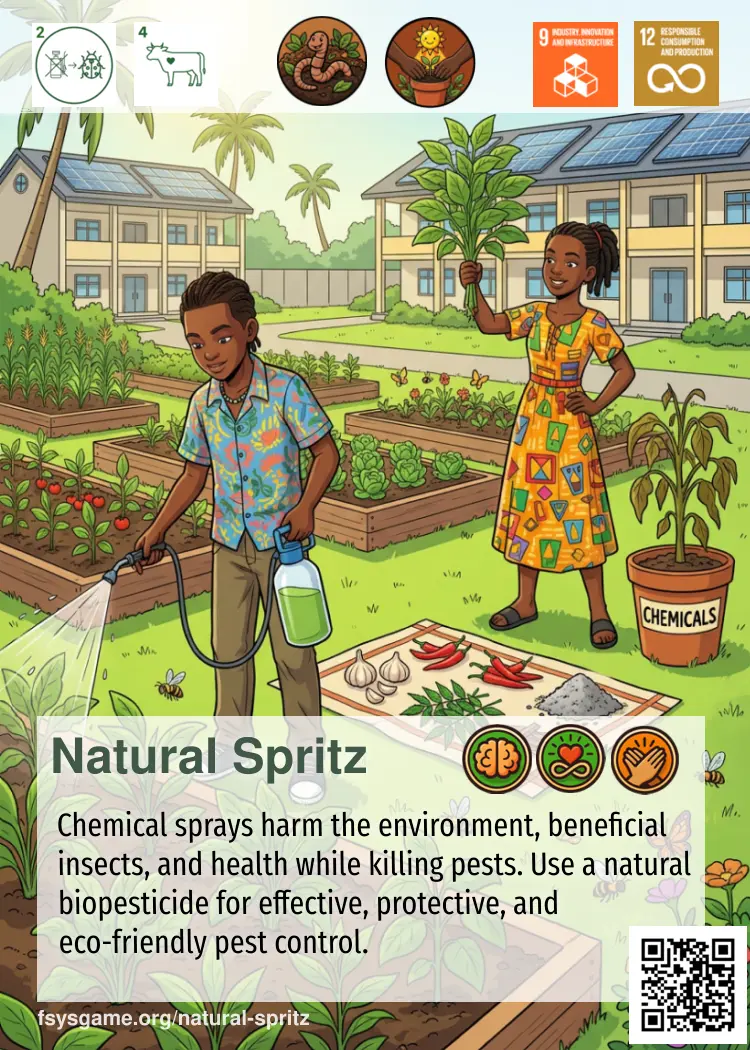
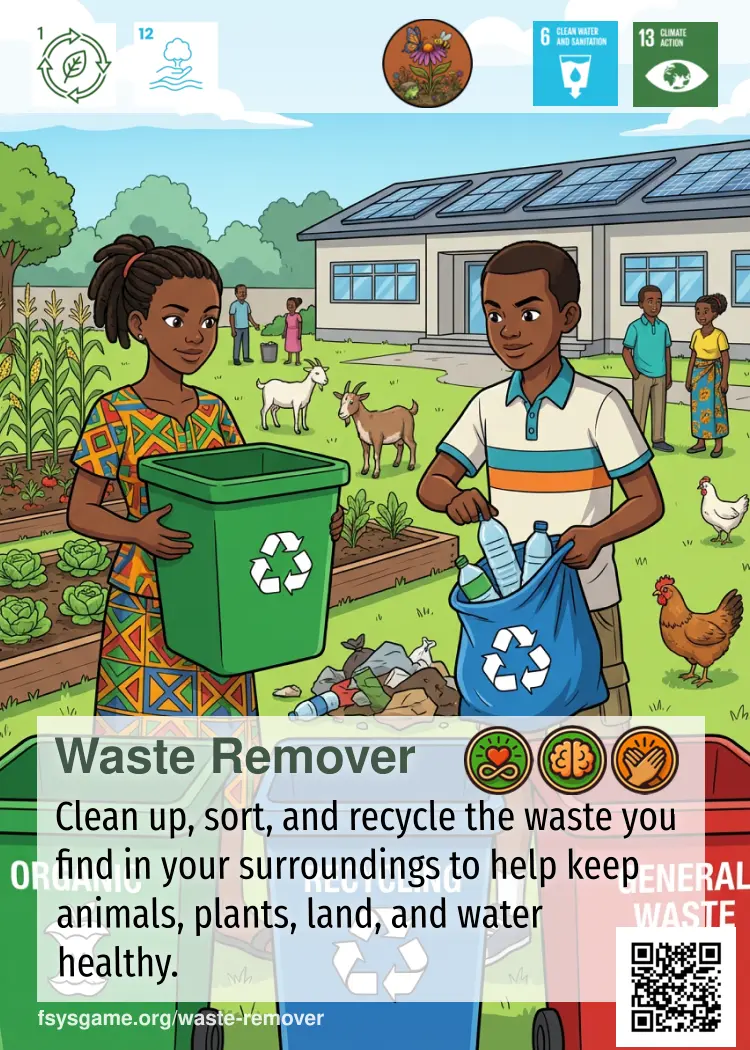
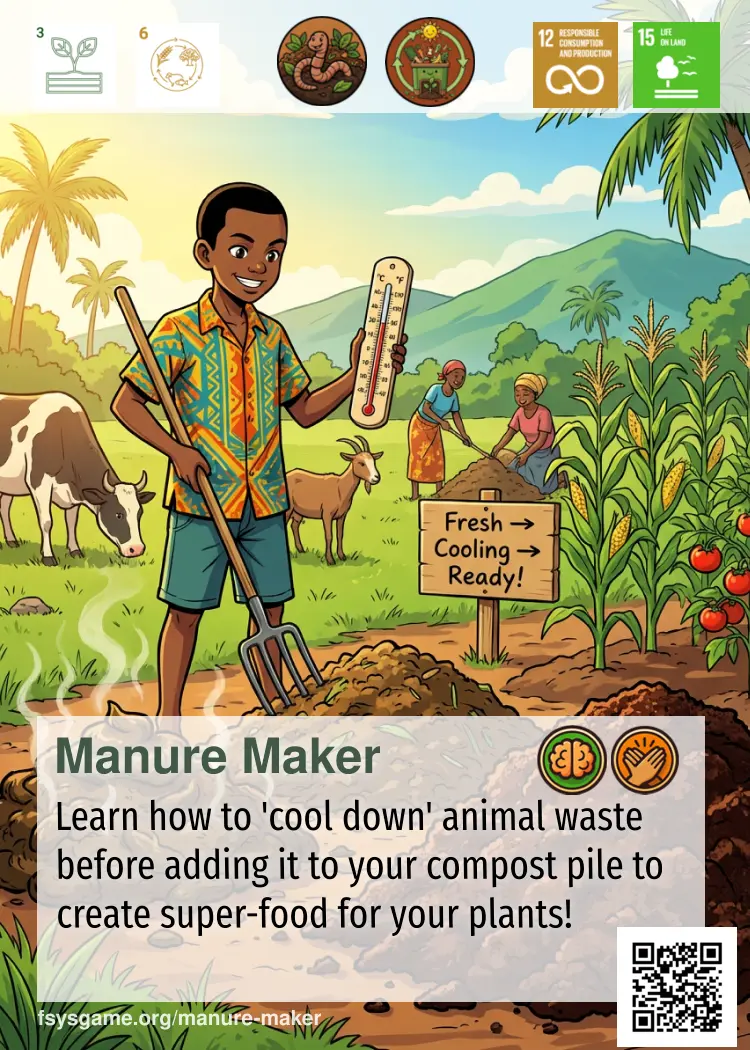
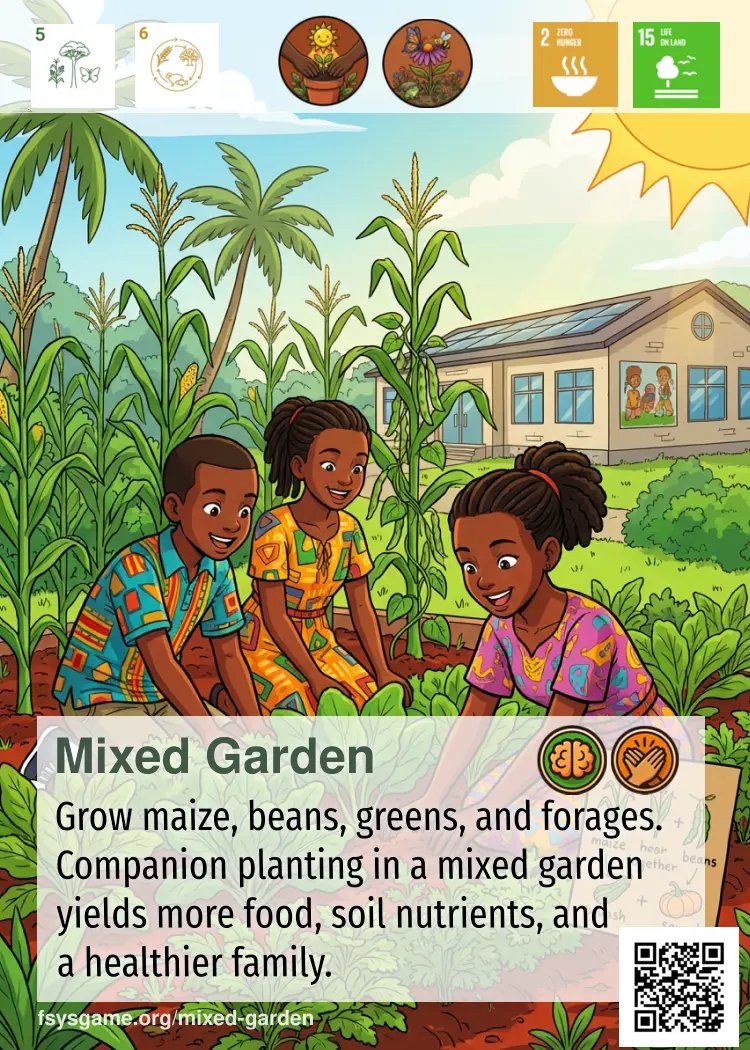
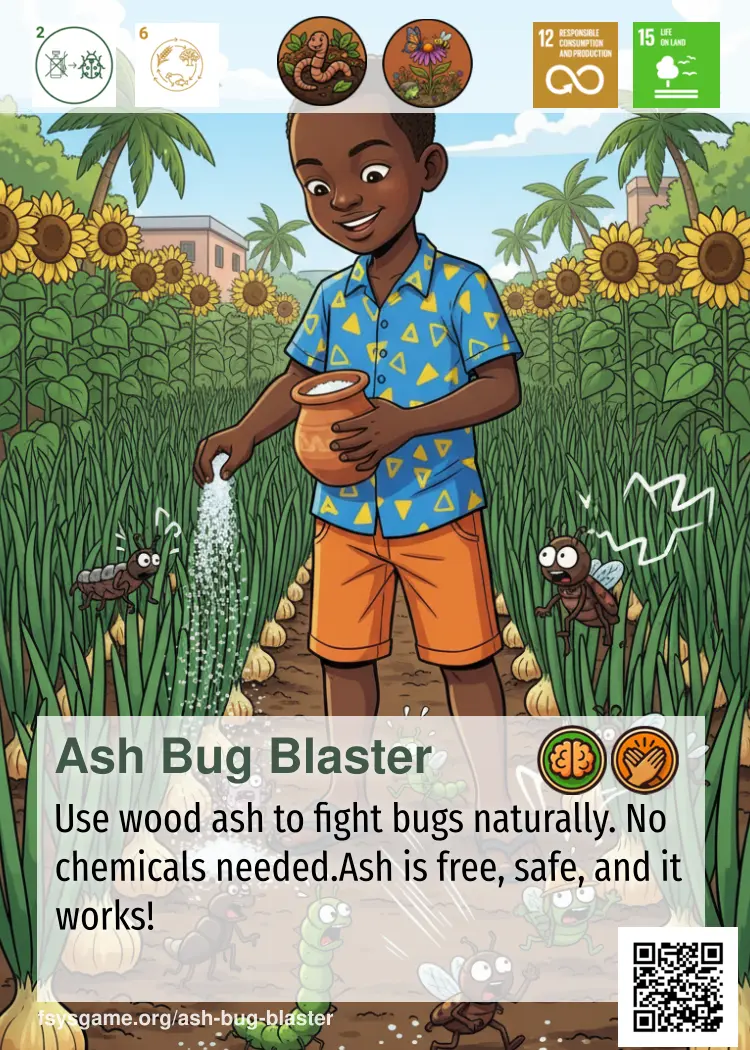
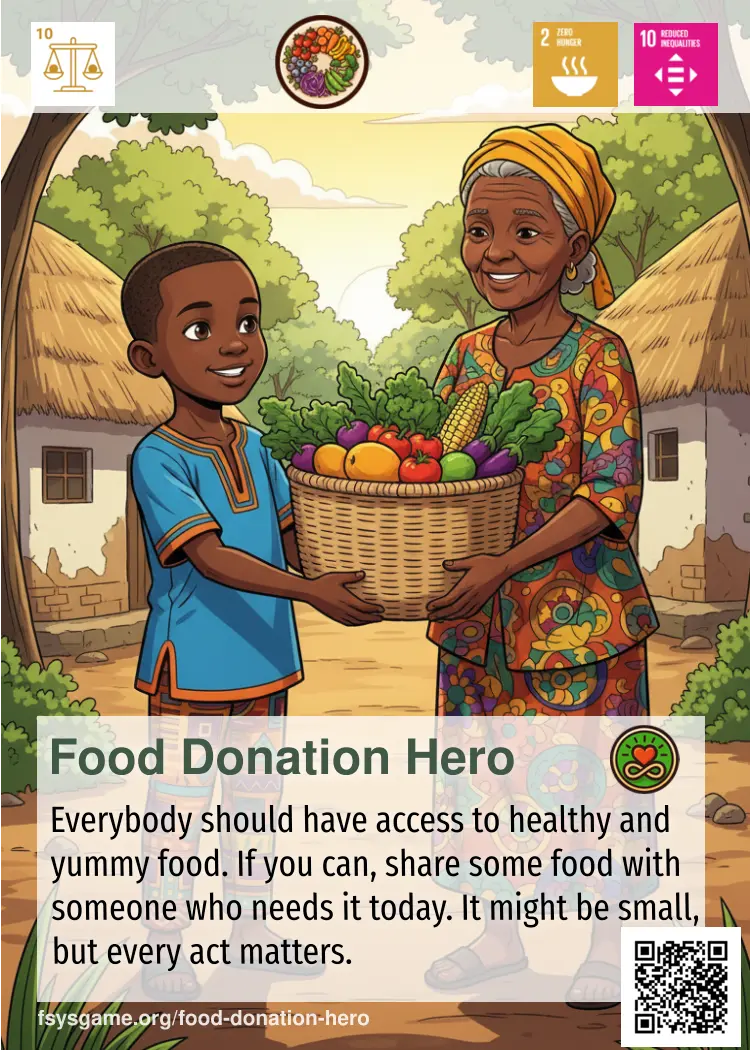
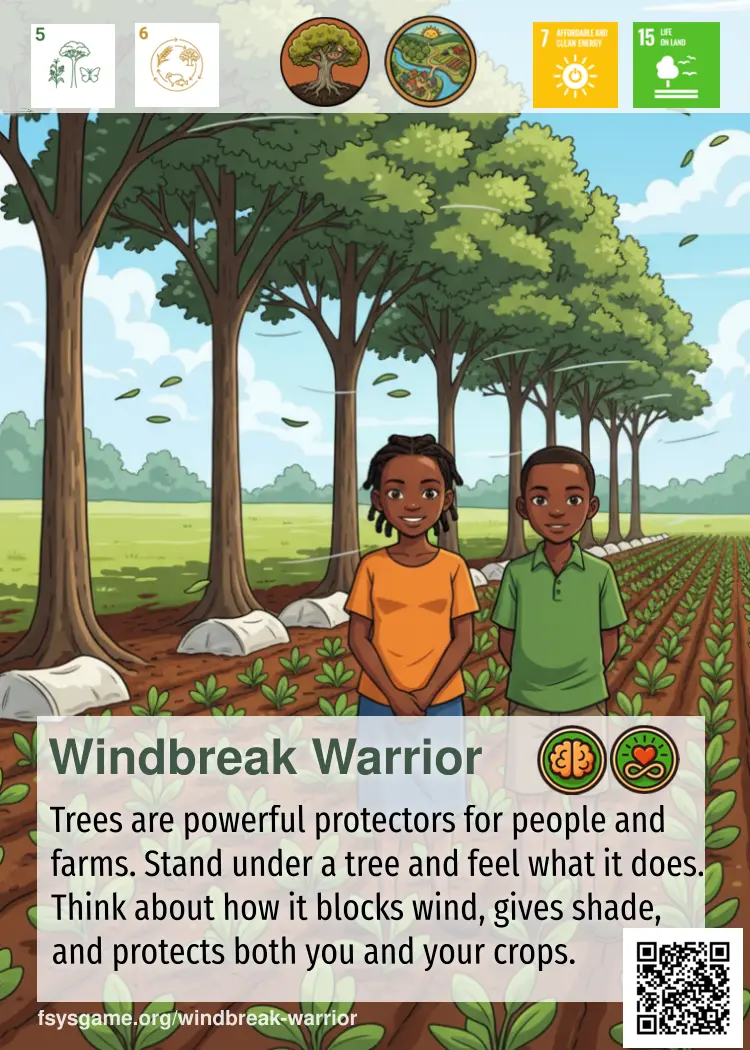
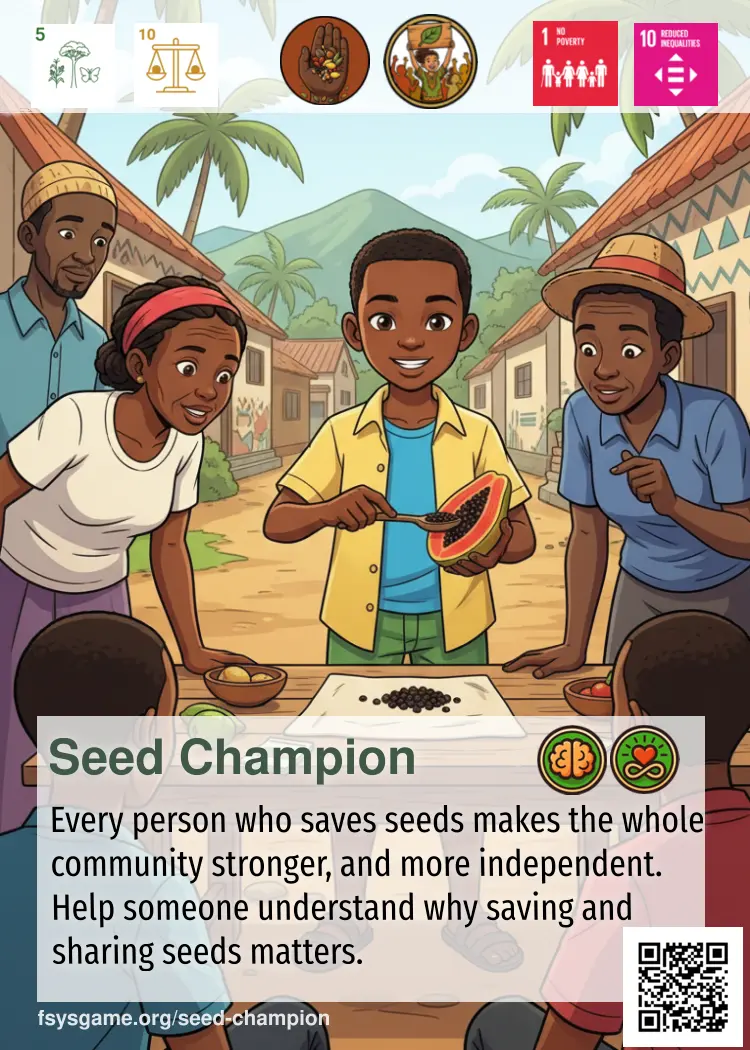
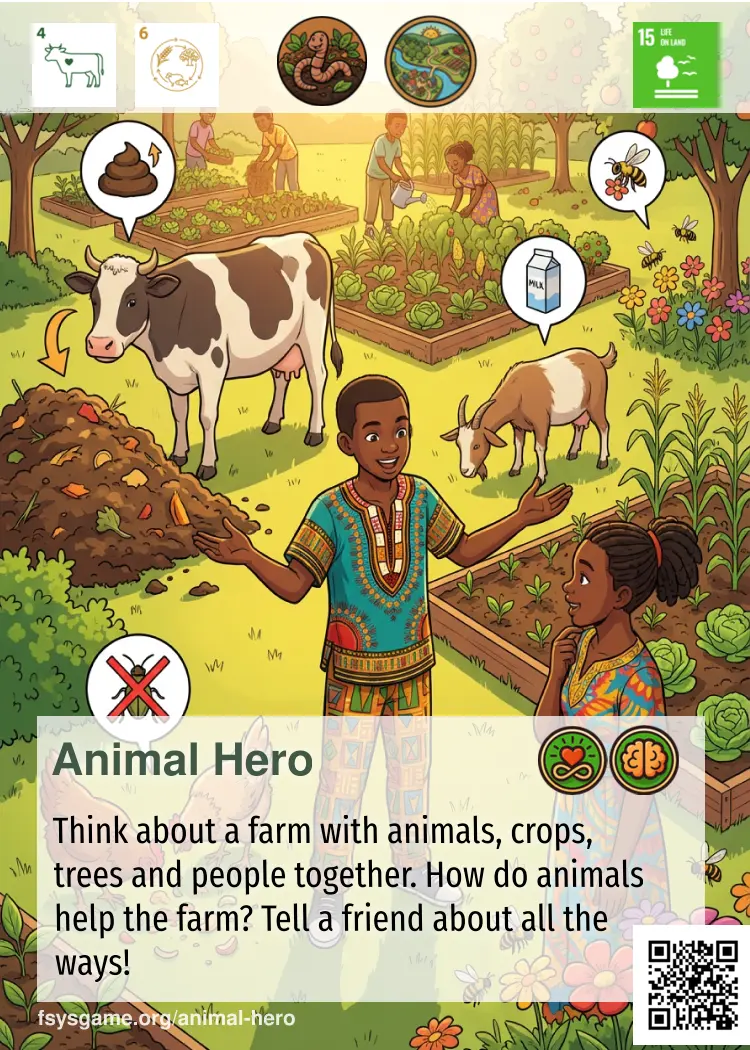
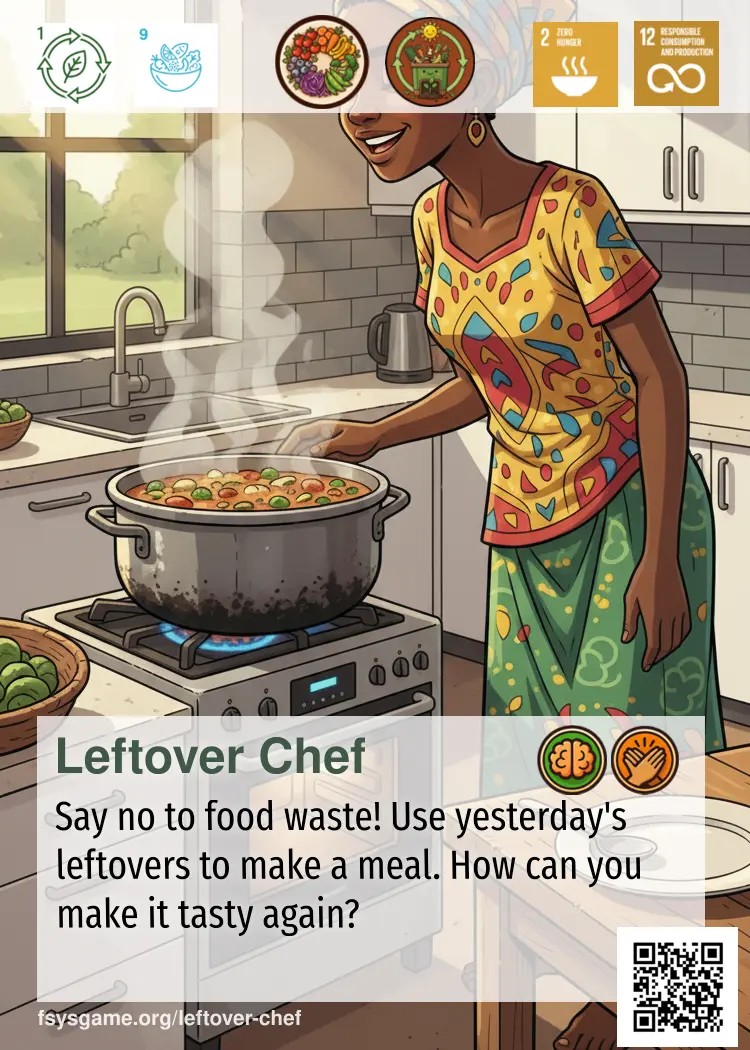
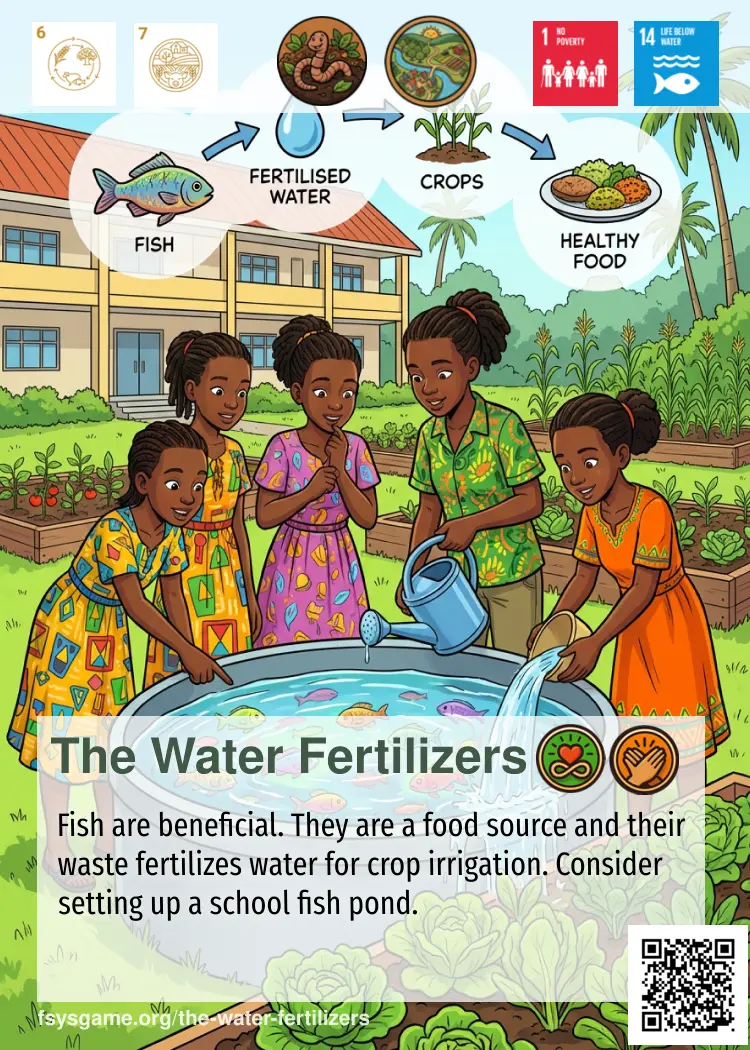
Every card is an action. Save seeds 🌾. Build compost ♻️. Restore biodiversity 🐝. Shorten food chains 🚜. Advocate for your land 📣. Players don’t just learn the concepts they practice them in the real world.
featuring:
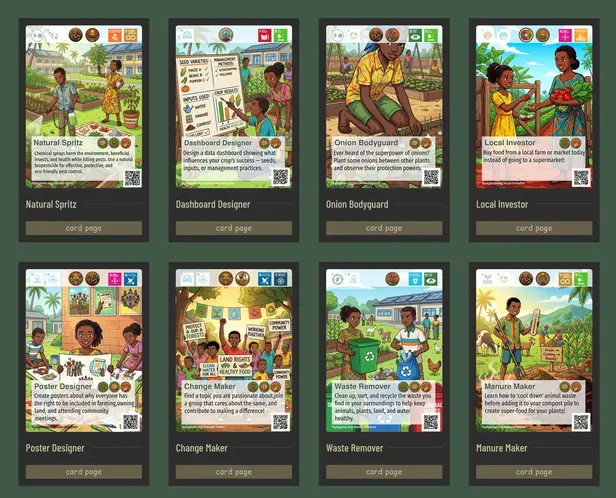
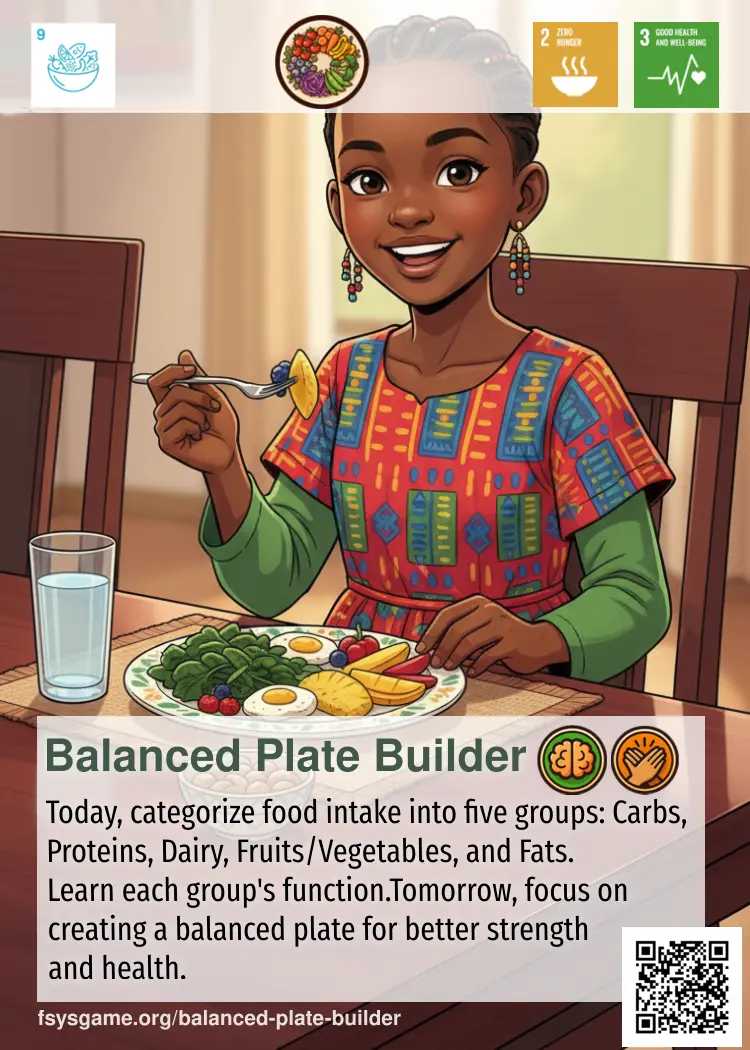
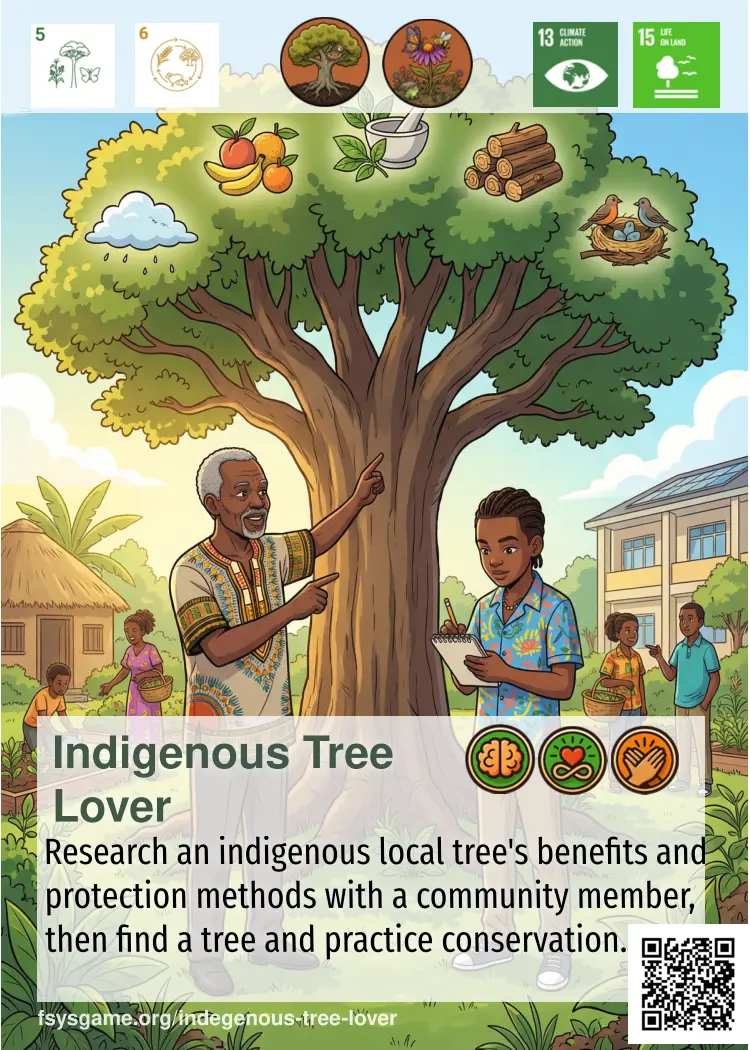
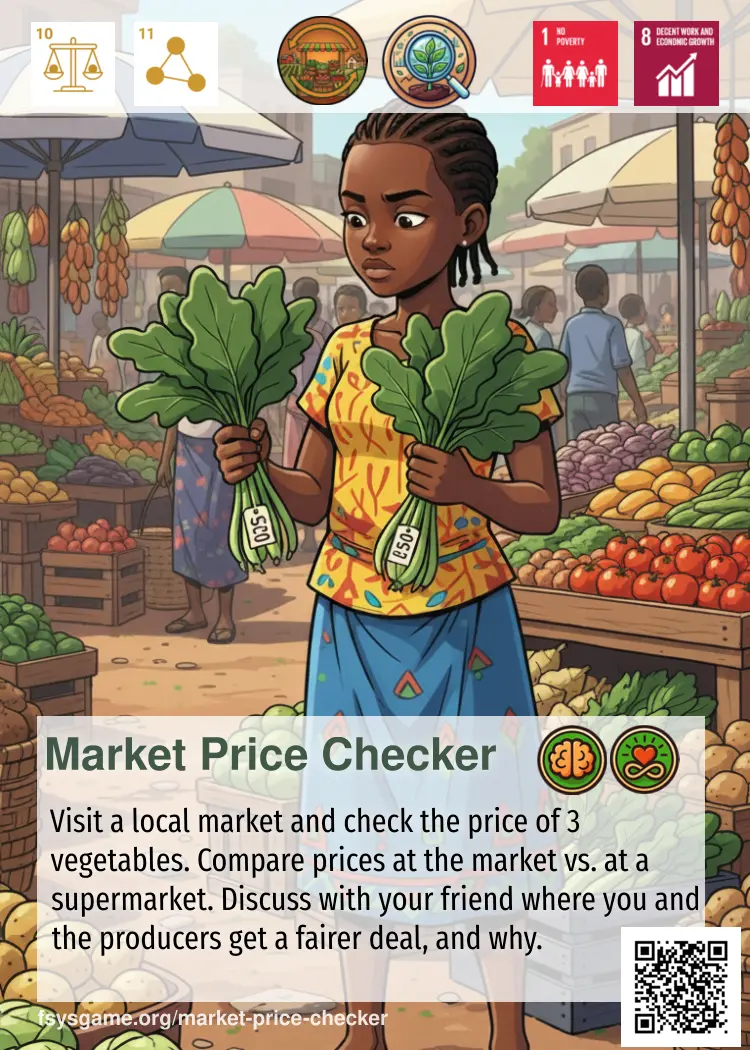
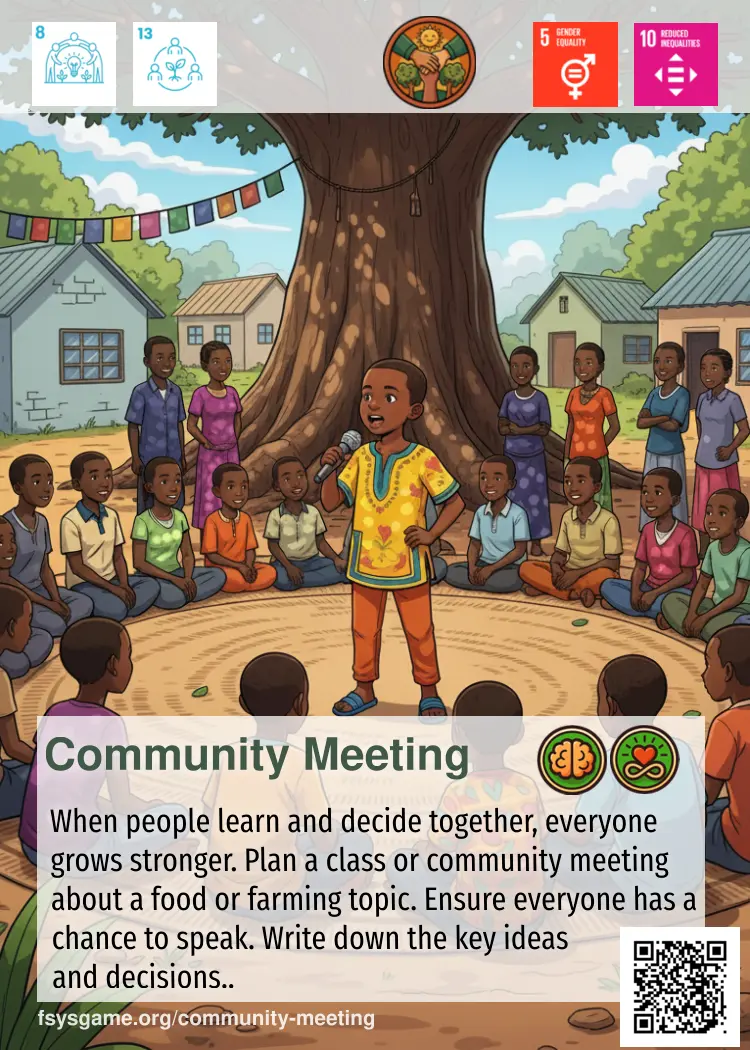
60 Collectible Cards and Realworld Missions
Food Heroes Comic
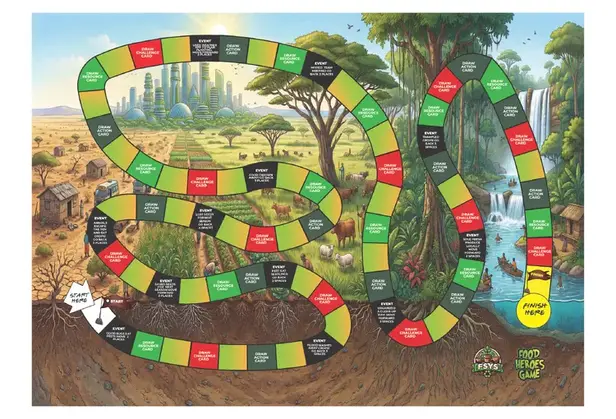
Food heroes board game
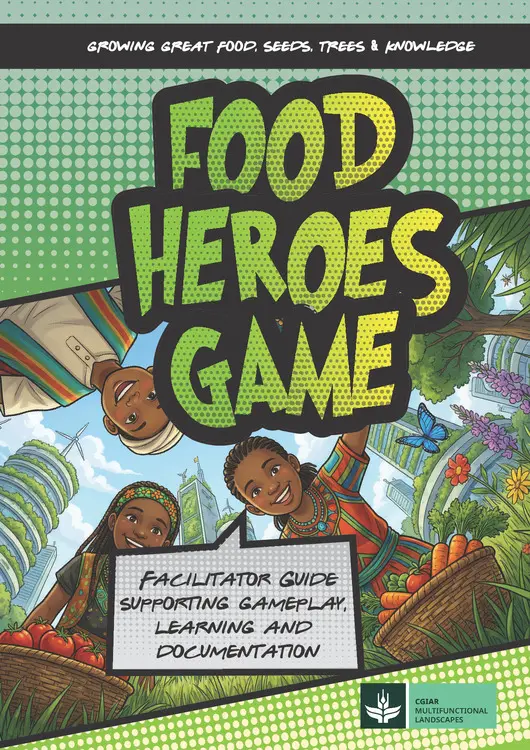
Food heroes game: Facilitator guide supporting gameplay, learning and documentation
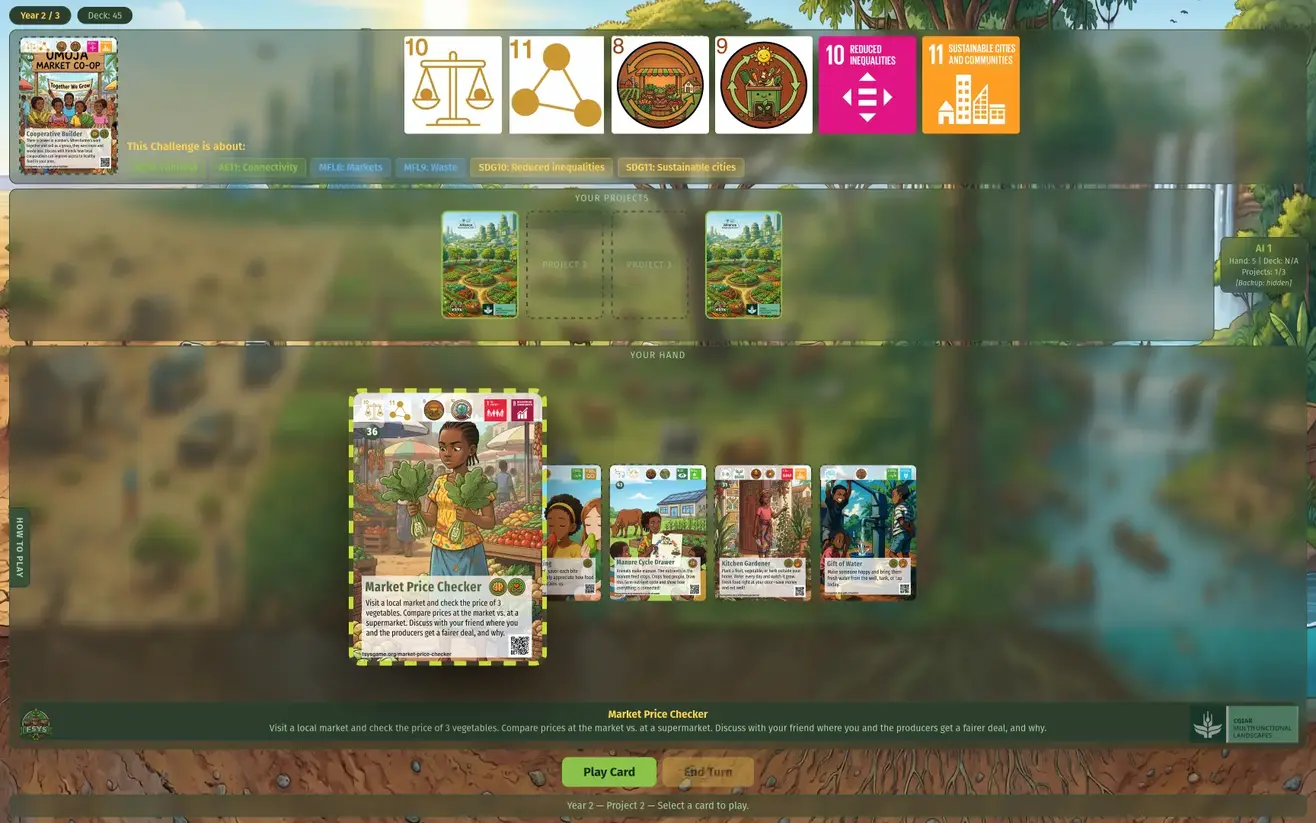
Play MFL fsys Online
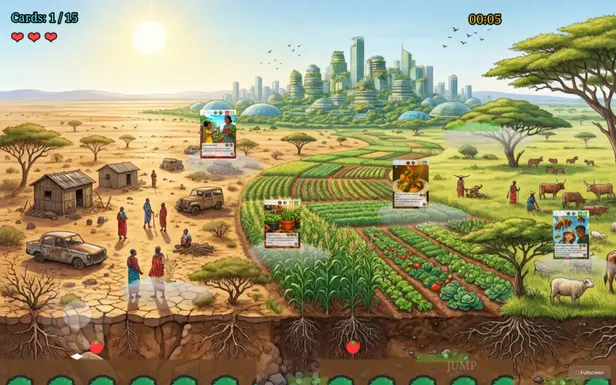
Jump & Run Game
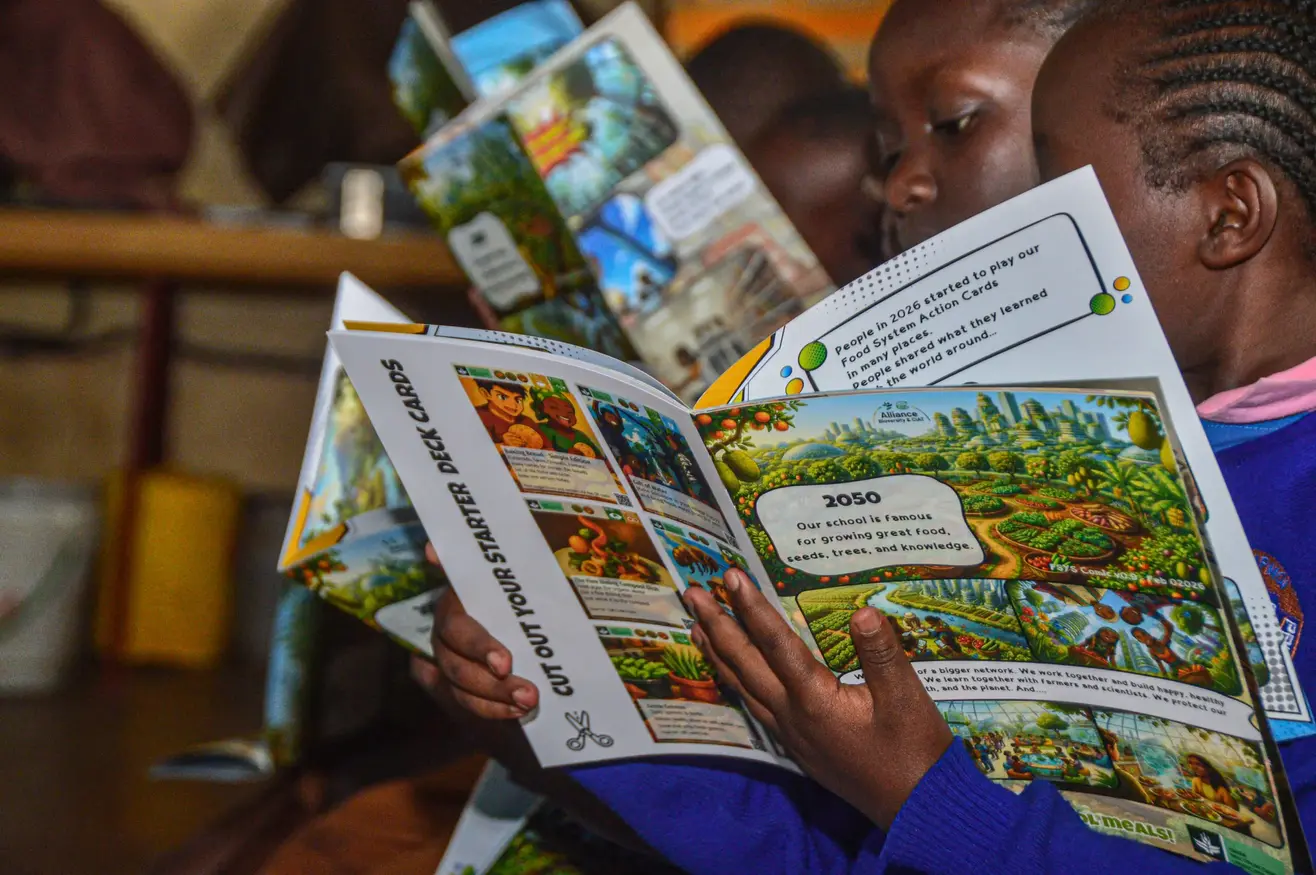
Web- & Print Comic V0.9
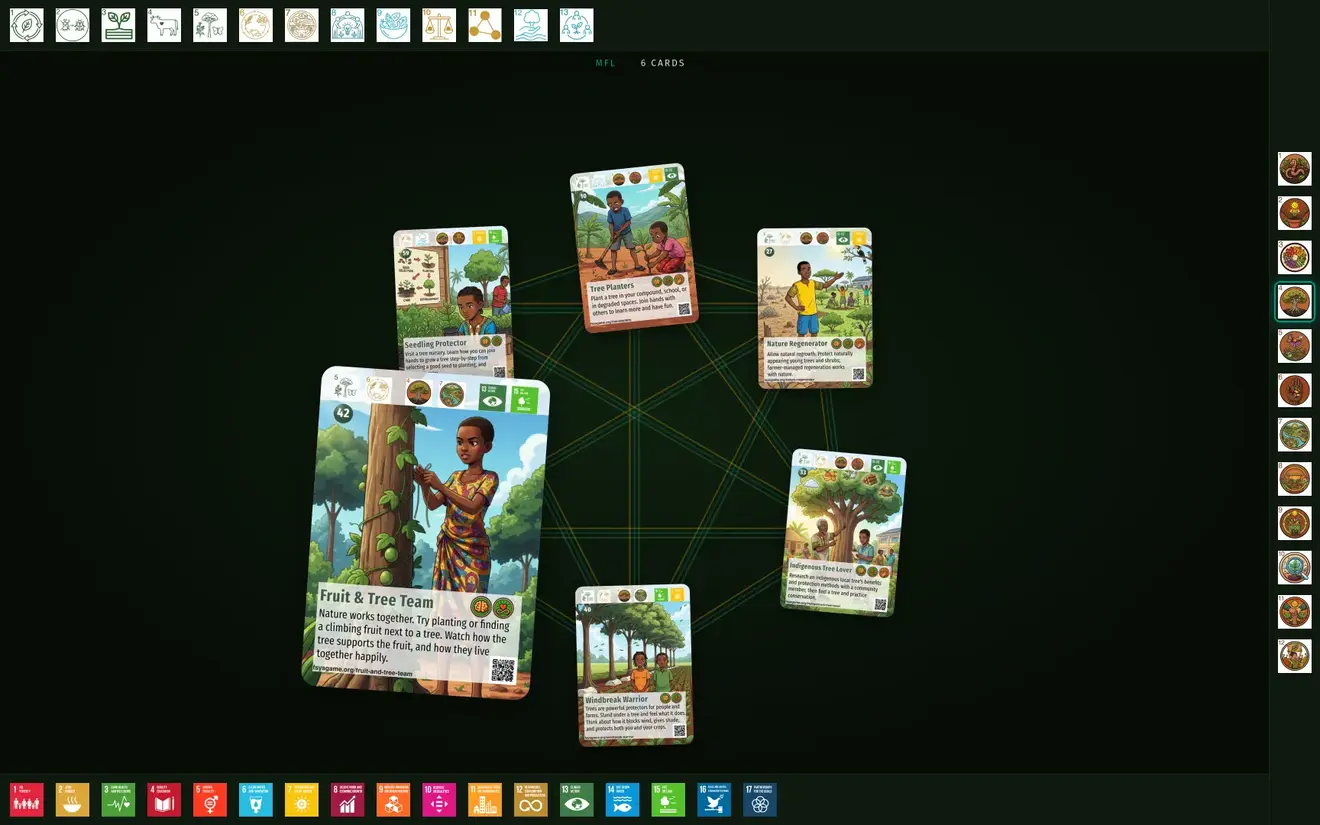
Card Explorer
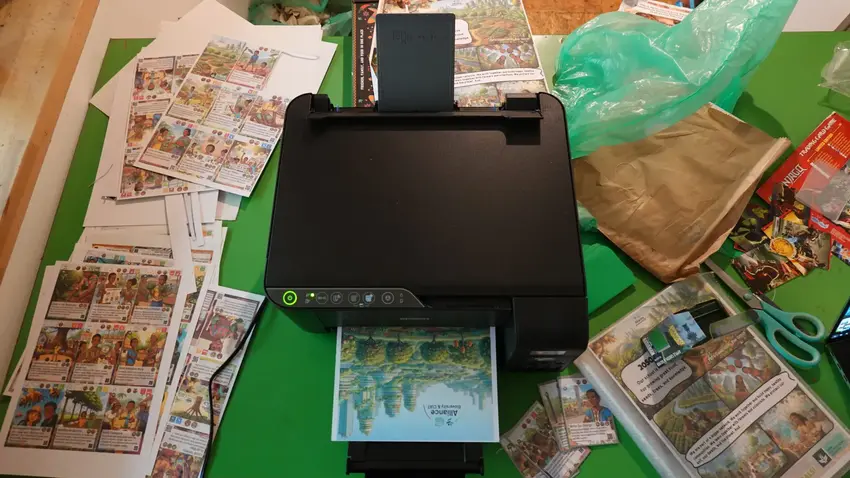
Download DIY! OER Kit for Self Printing and playful application at Homes, Clubs and Schools
The Science in the Cards
Multifunctional Landscapes
In each card you discover up to 2 MFL Ability icons. Playing out your action mission trains the following Multifunctional Landscaping Abilities – your MFL:

[1] Natural / Ecological Farming
Reduce or avoid synthetic inputs and use natural methods (compost, manure, and biopesticides) to build soil health and manage pests through integrated, diversified farm design.

[2] Growing One’s Own Food
Cultivate diverse, nutritious, and locally-relevant crops in school and home kitchen gardens to strengthen food independence and healthy eating habits.
[3] Access, Availability & Affordability of Healthy Food:
Raise awareness of food-based dietary guidelines and support every person’s right to access healthy, nutritious food through community and institutional action.
[4] Agroforestry:
Purposefully integrate trees into farmland, including indigenous and fruit trees, to restore land, produce food and fodder, and address climate change through multiple co-benefits.
[5] Environmental & Biodiversity Restoration:
Protect and restore plant and animal diversity in farms and landscapes through farmer-managed regeneration, land sharing and sparing, water protection, and participatory governance of shared natural resources.
[6] Seed-Saving & Exchange:
Multiply, preserve, and share local seed varieties to maintain food independence, protect biodiversity, and reduce dependence on commercial seed suppliers.
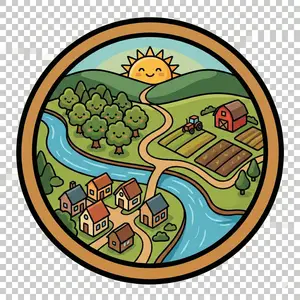
[7] Multifunctionality in Landscapes:
Optimise land to deliver diverse ecological and socio-economic benefits simultaneously, managing trade-offs and balancing competing uses through joint visions and place-based, integrated solutions.
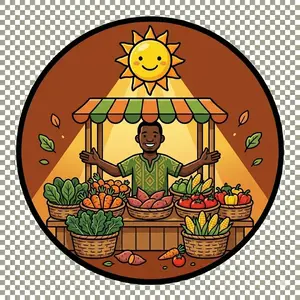
[8] Shorter & More Circular Value Chains:
Shorten and circularise trade channels by strengthening local markets, farmer cooperatives, and participatory guarantee systems to keep value within communities.
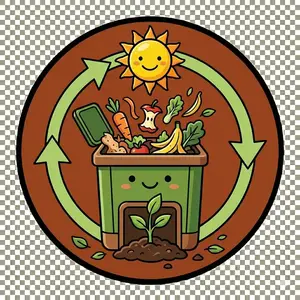
[9] Food Loss & Waste:
Align what is produced, consumed, and sold by reducing waste, transforming and preserving surplus food, and adopting recycling and zero-waste approaches across the food system.

[10] Personalised & Scaled-Down Data Dashboards:
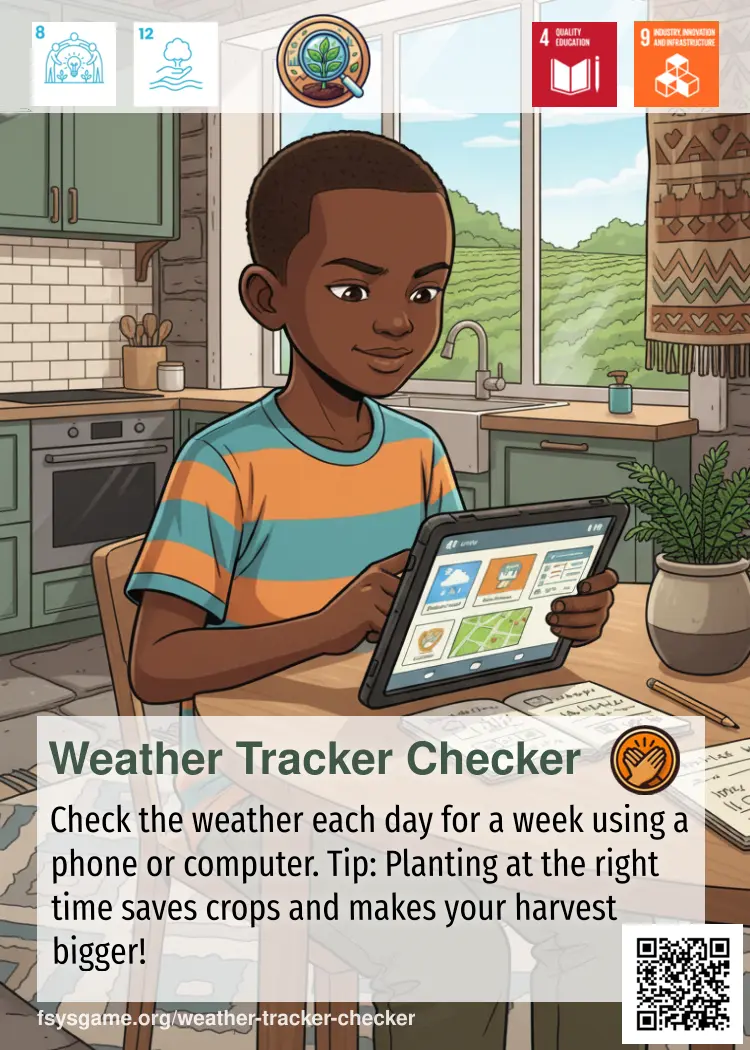
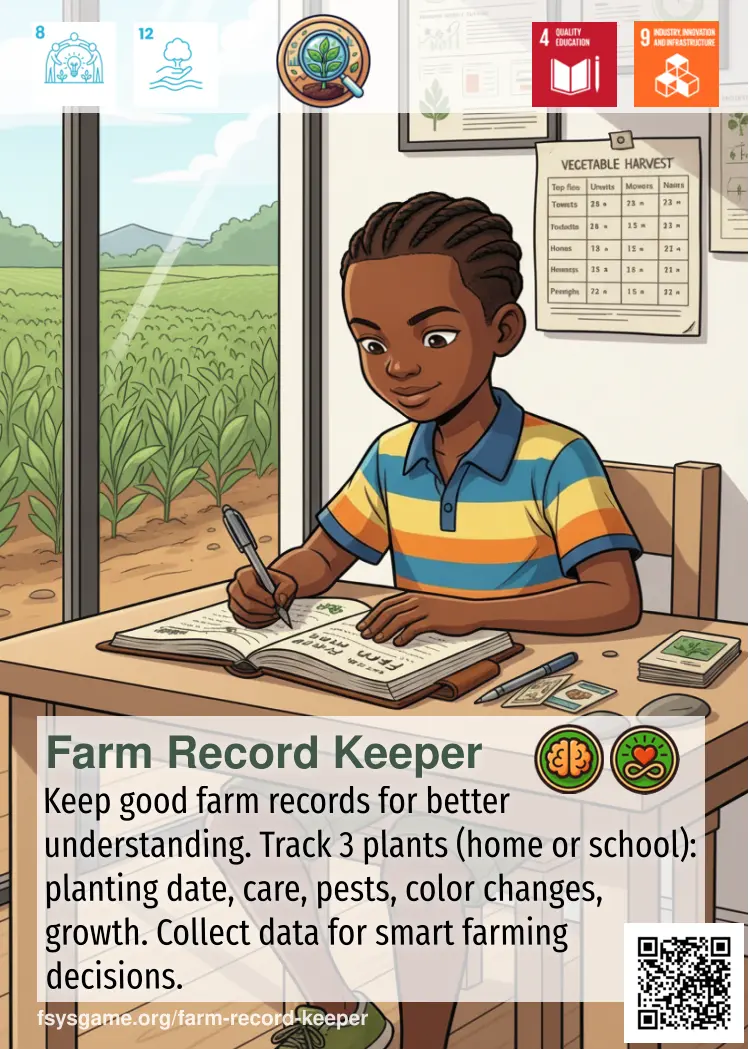
Provide farmers with accessible, location-specific data tools and personalised advisories that support better record-keeping and evidence-based decision-making.

[11] Improving Participation & Governance:
Strengthen multi-stakeholder engagement and co-creation of knowledge in food and land decisions, ensuring all voices, especially historically marginalised groups, are heard and the system changes from the bottom up.

[12] Social Movements & Advocacy:
Form inclusive local and global movements, engage with political processes, and create spaces for women, youth, and marginalised groups to influence food system decisions and public opinion.
In each card you discover up to 2 AE of the 13 HLPE Agroecological principles icons. Playing out your action mission trains your Agroecology abilities
[1] Recycling
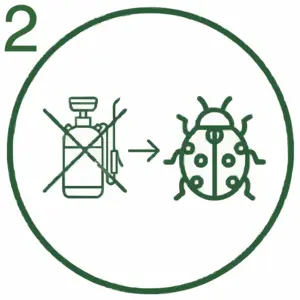
[2] Input Reduction
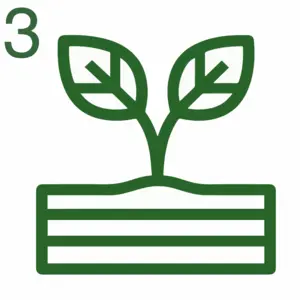
[3] Soil Health
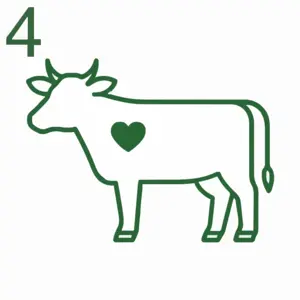
[4] Animal Health
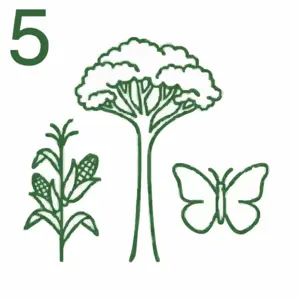
[5] Biodiversity
[6] Synergy
[7] Economic Diversification
[8] Co-Creation of Knowledge
[9] Social Values and diets
[10] Fairness
[11] Connectivity
[12] Land & Natural Resource Governance
[13] Participation
MFL Series :: Food Heroes Expansion, Kenya, April 02026
60 cards for training our Agroecology-, Multifunctional Landscaping- and Sustain Abilities